
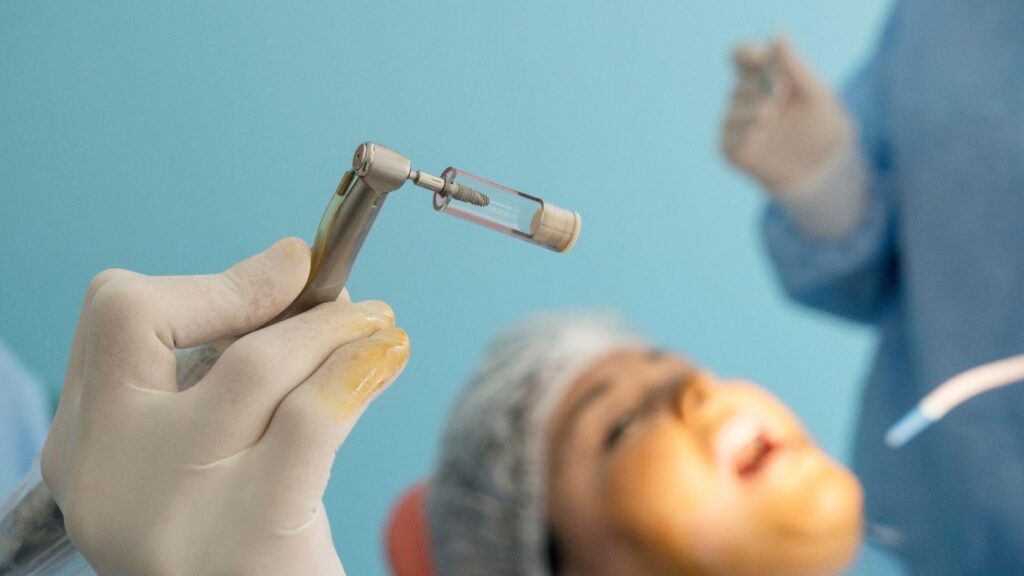
Gum pain and swelling often come from something simple, like aggressive brushing or missed flossing. Sometimes they signal infection, gum disease, or a dental abscess that needs prompt care.
If swelling lasts more than two weeks, is very noticeable, or comes with pain, pus, or loose teeth, you should seek professional evaluation from a practice like Galleria Dentistry rather than assuming it will pass on its own.
You’ll learn what common habits trigger inflammation and which symptoms suggest a more serious problem. Dentists diagnose the cause and offer treatment options—both in-office and at-home—to bring relief.
The article will also guide you on prevention, when to get urgent help, and what new research is changing about gum care. This information can help you protect your mouth and avoid complications.
Underlying Causes of Gum Discomfort
You can experience gum pain and swelling for many reasons, from plaque-driven inflammation to infections and health conditions that affect the immune system or blood vessels. Each cause has distinct signs and treatment paths.
Gingivitis and Periodontal Disease
Gingivitis starts when plaque builds up along the gumline, causing redness, swelling, and bleeding during brushing or flossing. You may notice gums that look puffy, feel tender, or bleed easily.
These signs are reversible with improved oral hygiene and a professional cleaning. If plaque and tartar remain, gingivitis can progress to periodontitis.
In periodontitis, pockets form between teeth and gums, bone can erode, and loose teeth or chronic bad breath may develop. Treatment shifts from home care to professional interventions such as deep scaling, root planing, and sometimes antibiotics or surgical procedures.
Oral Infections Beyond Brushing
Not all gum infections start from plaque. A localized abscess—often from a deep cavity or an infected tooth root—produces sharp, persistent pain, a pus-filled swelling, and sometimes a bad taste or fever.
You’ll need drainage and targeted antibiotics, plus dental work to treat the source. Viral and fungal infections can also inflame gums.
Herpes simplex may cause ulcers and severe soreness. Oral thrush (Candida) can cause red, sore patches that may bleed.
These require antiviral or antifungal medications rather than routine periodontal care.
Impact of Systemic Health Conditions
Conditions that affect your immune system or blood vessels can change how your gums respond to bacteria. Diabetes lowers resistance to infection and slows healing, increasing the risk of severe gum disease and delayed recovery after treatment.
Blood disorders, hormonal changes (pregnancy, puberty, menopause), and certain medications can cause gum swelling, bleeding, or overgrowth. Chemotherapy and immunosuppressants raise infection risk and may make routine gum inflammation more severe.
If you have these health issues, coordinate dental care with your medical provider to tailor prevention and treatment.
Early Warning Signs and Symptoms
You may notice subtle changes in how your gums look, feel, or behave. Pay attention to swelling that doesn’t go away, pain that shifts or intensifies, and any lasting change in gum color.
Recognizing Persistent Swelling
Swelling that lasts more than a few days after adjusting brushing technique or dental work is a red flag. If a gum area stays puffy, feels soft or spongy, or the swelling increases rather than subsides, seek evaluation.
Watch for these specifics:
- One-sided or localized swelling near a single tooth can indicate an abscess or localized infection.
- Generalized puffiness across several teeth often suggests gingivitis or early periodontitis.
- Swelling accompanied by a bad taste or discharge points to an active infection.
Document when the swelling started, whether it came after trauma or dental treatment, and any triggers (e.g., eating hot or acidic foods). That information helps your clinician make a faster diagnosis.
Pain Patterns to Watch For
Your description of pain helps distinguish causes. Dull, aching discomfort that worsens with chewing often links to periodontal inflammation.
Sharp, stabbing pain when biting down can indicate an abscessed tooth or fracture. Note these pain characteristics:
- Constant, throbbing pain that disrupts sleep usually signals infection.
- Pain that flares only during brushing or flossing can reflect sensitive or inflamed gum tissue.
- Pain that radiates to the jaw, ear, or temple may mean the problem extends beyond the gum.
Record intensity, timing, and triggers. If over-the-counter analgesics relieve but don’t eliminate pain, arrange prompt dental assessment.
Associated Changes in Gum Color
Color shifts often reveal the stage and severity of gum disease. Healthy gums are pink to darker brown depending on your complexion; sudden redness, deep purple, or very pale gums warrant attention.
Key color signs to monitor:
- Bright red or purplish gums signal active inflammation.
- Pale, whitish patches or gray areas can indicate fungal infection or tissue necrosis in severe cases.
- Dark red along the gumline, especially with swelling and bleeding, suggests progressing periodontitis.
Combine color observations with bleeding, texture change, or receding margins when reporting symptoms. Clear, specific descriptions help your provider choose the right tests and treatment.
Diagnostic Approaches in Dentistry
A targeted dental exam and selected tests determine whether gum pain and swelling stem from plaque-related gingivitis, deeper periodontitis, infection, or trauma. Your dentist will combine clinical inspection with measurements and sometimes imaging to reach a precise diagnosis.
Professional Evaluation Techniques
Your dentist begins with a focused oral history: onset of symptoms, bleeding, pain characteristics, recent dental work, medications, smoking, and systemic conditions like diabetes. They inspect gum color, contour, and the presence of pus, ulcers, or recession.
Periodontal probing measures pocket depths around each tooth; depths ≥4 mm with bleeding suggest active disease. Tooth mobility and occlusal (bite) assessment identify forces that worsen gum loss.
Your clinician may perform percussion tests and palpation to localize tenderness or abscesses. Clinical charting records pocket depths, recession, furcation involvement, and mobility for comparison over time.
A trial of improved home care and professional cleaning can also serve diagnostic and therapeutic roles to see if inflammation resolves.
Relevant Imaging and Tests
Periapical and bitewing X-rays detect bone loss patterns, periapical pathology, and calculus beneath the gumline. You may get full-mouth radiographs when generalized disease is suspected, or targeted films for localized pain.
Digital radiography and cone-beam CT (CBCT) provide higher-resolution views when surgical planning, complex anatomy, or suspected root fractures are involved. CBCT excels at showing three-dimensional bone defects and proximity to anatomical structures.
Microbiologic tests and inflammatory markers are used selectively. Culture or DNA-based assays can guide therapy in aggressive or refractory cases.
Blood glucose testing or referral for systemic evaluation may follow when periodontal disease appears disproportionate to oral hygiene.
Treatment Pathways and Solutions
You will find both conservative and procedural options to reduce pain, control infection, and restore gum health. Choices range from home-care adjustments and professional cleanings to prescription therapies and targeted dental surgery when pockets, bone loss, or infection persist.
Non-Surgical Therapies
Start with improved oral hygiene: brush twice daily with a soft-bristled or sonic toothbrush, floss once daily, and use interdental brushes where gaps exist. Professional scaling and root planing (deep cleaning) removes plaque and tartar below the gum line to reduce pocket depth and inflammation.
Consider regular periodontal maintenance every 3–4 months if you have chronic gum disease. Laser-assisted debridement or ultrasonic scaling can be offered to reduce bacteria and promote healing.
Lifestyle changes—stop tobacco, control blood sugar if diabetic, and adjust medications that worsen gum swelling—support long-term recovery.
Medications and Rinses
Your dentist may recommend an antimicrobial mouth rinse such as chlorhexidine for short-term control of bacterial load; use only as directed to avoid staining or taste changes. Topical antiseptics and medicated gels (containing doxycycline or chlorhexidine) can be applied to periodontal pockets to suppress specific pathogens.
Systemic antibiotics (amoxicillin, metronidazole, or combinations) are reserved for acute infections, aggressive periodontitis, or when you have systemic risk factors. Over-the-counter pain relievers like ibuprofen reduce discomfort and inflammation; follow dosing instructions and check for contraindications with your other medications.
Advanced Dental Procedures
If pockets remain deep (>5 mm), or bone loss and mobility develop, surgical intervention may be required. Flap surgery (open debridement) gives direct access to remove infected tissue and reshape bone.
Guided tissue regeneration or bone grafts restore lost support when appropriate. For localized abscesses, incision and drainage plus targeted antibiotics relieve acute pain.
In severe cases, extraction of a hopeless tooth followed by implant placement or bridgework may be necessary to prevent recurrent infection and preserve adjacent teeth. Your dentist will review imaging and clinical measurements before recommending these options.
At-Home Management Strategies
Maintain gentle, consistent care and use targeted over-the-counter options when needed. Prioritize techniques that reduce bacteria, control inflammation, and protect soft tissue while you arrange professional care if symptoms persist.
Proper Oral Hygiene Practices
Brush twice daily with a soft-bristled toothbrush using short, gentle strokes along the gumline to remove plaque without injuring tissue. Aim for two minutes total and hold the brush at a 45° angle so bristles reach the sulcus between tooth and gum.
Floss once daily, sliding the floss gently up and down against each tooth instead of snapping through the contact. If flossing causes bleeding that does not stop after a few days of careful technique, seek dental evaluation.
Rinse with a warm saline solution (1/2 teaspoon salt in 8 ounces of water) 2–3 times per day to reduce bacteria and swelling. Replace your toothbrush every 3 months or after a mouth infection.
Consider an electric toothbrush with pressure sensors if you tend to brush hard.
When to Use Over-the-Counter Remedies
Use topical oral gels containing benzocaine or oral analgesic mouthwashes for short-term pain relief; follow package directions and avoid prolonged use of benzocaine in children. For inflammation and pain, take NSAIDs like ibuprofen at recommended doses unless contraindicated by medical conditions or medications.
Use antiseptic mouthwashes (chlorhexidine or essential-oil rinses) for up to two weeks to reduce bacterial load; do not substitute for mechanical cleaning. Apply a cold compress to the outside of your cheek for 10–15 minutes to reduce localized swelling, repeating every hour as needed.
Stop OTC treatments and see your dentist if swelling worsens, you develop fever, pus, loose teeth, or difficulty breathing or swallowing. These signs can indicate infection that requires prescription antibiotics or urgent dental care.
Prevention and Long-Term Care
Maintain daily habits that reduce plaque, control inflammation, and help your dentist catch problems early. Consistent professional care and small lifestyle changes lower your risk of recurring gum pain and swelling.
Routine Dental Checkups
Schedule cleanings every 3–6 months based on your dentist’s recommendation; people with past gum disease often need visits every 3 months. Professional cleanings remove tartar below the gumline where brushing and flossing can’t reach, reducing pockets that harbor bacteria.
During visits, your dental team will measure pocket depths, check for bone loss on x-rays, and evaluate any gum recession or loose teeth. Bring a list of symptoms—bleeding, persistent swelling, or new sensitivity—so your provider can target treatment early.
If your dentist finds periodontitis, expect scaling and root planing, possible antibiotics, and more frequent follow-up. Keep any recommended recall schedule; skipping maintenance raises the chance of relapse and more invasive care later.
Lifestyle and Dietary Factors
Brush twice daily with a soft-bristled brush and fluoride toothpaste; use an electric brush if you struggle to control pressure. Floss once daily or use interdental brushes to remove plaque between teeth where gum inflammation often starts.
Tobacco use greatly increases gum disease risk; quitting reduces inflammation and improves treatment response. Control blood sugar if you have diabetes—high levels worsen gum infection and slow healing.
Limit frequent sugary snacks and acidic drinks; choose water, vegetables, and calcium-rich foods to support oral tissues. Consider a fluoride mouthrinse or an antimicrobial rinse if your dentist recommends it to reduce bacterial load between visits.
When to Seek Immediate Attention
If your gums swell suddenly, worsen over hours, or interfere with breathing, eating, or speaking, get help promptly. Look for signs that point to infection, uncontrolled bleeding, or spreading pain.
Urgent Symptoms Not to Ignore
Seek emergency care if you have severe, constant pain that does not respond to over‑the‑counter pain relievers. Intense throbbing or radiating jaw pain can signal a spreading dental infection or abscess that needs prompt treatment.
Watch for swelling that grows rapidly or causes facial asymmetry, especially if it makes swallowing or breathing difficult. Difficulty breathing or swallowing suggests airway compromise or deep tissue infection and requires immediate evaluation.
Take note of fever, chills, or a generally unwell feeling with gum swelling. Systemic symptoms imply the infection may have entered your bloodstream.
Also get urgent care for heavy, uncontrolled gum bleeding that won’t stop after 10–15 minutes of pressure.
Potential Complications from Delayed Care
Delaying treatment can allow a localized gum infection to form an abscess, producing pus, worsening pain, and bone loss around the tooth. An untreated abscess can destroy supporting tissues and may require extraction or surgery.
Infections in the mouth can spread to adjacent spaces—cheek, neck, or airway—causing cellulitis or Ludwig’s angina. These complications can obstruct breathing or require hospitalization for IV antibiotics and surgical drainage.
Chronic gum inflammation raises your risk of tooth loss and can worsen medical conditions such as diabetes or heart disease. Prompt treatment preserves teeth, reduces the need for invasive procedures, and lowers risks to your overall health.
Emerging Research and Future Perspectives
You’ll see growing focus on how oral bacteria and your immune response interact to cause gum pain and swelling. Researchers now link dysbiotic microbial communities with exaggerated inflammation.
New therapies under investigation include host-modulation drugs and precision antimicrobial approaches. These aim to reduce harmful inflammation without broadly wiping out the oral microbiome.
You may benefit from advances in diagnostics that detect molecular signs of disease earlier. Saliva-based tests and biomarkers could let you and your clinician identify risk before visible swelling or bleeding appears.
Emerging delivery methods seek to improve how treatments reach gum tissues. Examples include localized gels, slow-release implants, and targeted peptides designed to disrupt pathogenic bacterial structures.
Key areas to watch:
- Microbiome modulation: tailoring microbes to restore balance.
- Inflammation control: drugs that temper destructive immune responses.
- Early diagnostics: biomarkers and point-of-care saliva tests.
- Targeted delivery: local agents that minimize systemic effects.