
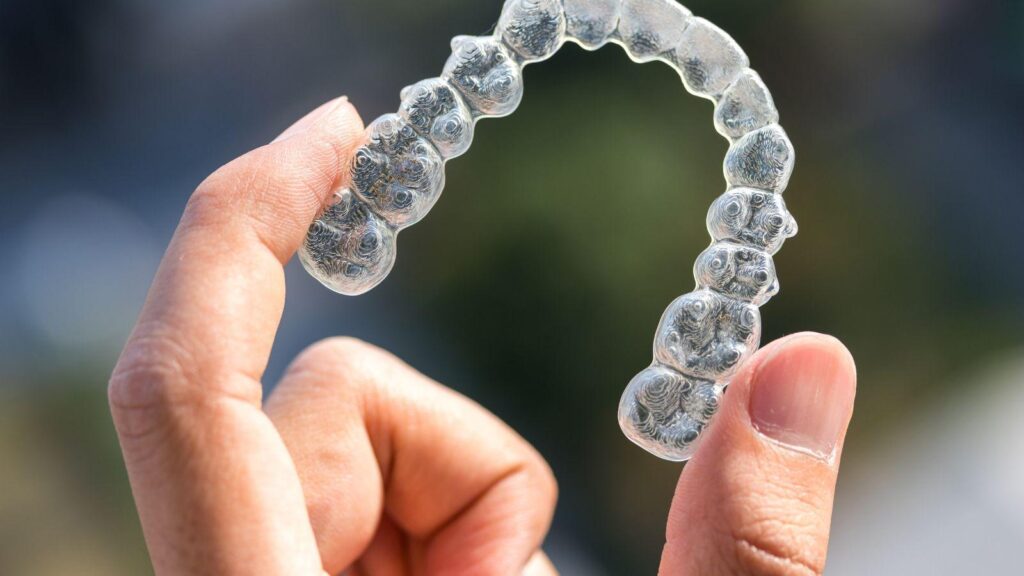
You might have put off braces for years because of metal wires, time in the dentist’s chair, or worry about how treatment would fit your life. Invisalign appeals to many Winterville adults now because it straightens teeth with clear, removable aligners that fit daily routines, feel discreet, and let you eat and clean normally—so you can get the results you want without reinventing your lifestyle.
Expect this article to explain why adults hesitated for decades, which technological and convenience improvements changed minds, how treatment affects your oral health and daily life, and what local cost and access factors matter in Winterville, including options like Beacon Dental. You’ll also find practical guidance on when and how to decide if Invisalign is a realistic option for your schedule, budget, and long-term dental goals.
Understanding Adult Orthodontic Hesitation
Many adults in Winterville postpone orthodontic care because of concerns about appearance, time commitments, and past negative experiences. Practical barriers — cost, work schedules, and fear of discomfort — often outweigh perceived benefits until a clear, less intrusive option appears.
Common Reasons for Avoiding Braces
You likely weighed cost, time, and visibility when you decided against braces earlier in life. Traditional braces required frequent office visits, sometimes for years, which clashes with full-time jobs, parenting, or caregiving responsibilities.
Out-of-pocket cost mattered too. Insurance often covered limited orthodontic treatment for children, not adults, so many assumed braces were unaffordable.
The visible metal hardware also felt unprofessional for client-facing work or social settings. If you had crowded teeth that didn’t bother you daily, the immediate inconvenience seemed greater than long-term benefits.
That made postponement a rational choice until alternatives reduced those barriers.
Psychological and Social Factors
You might have feared judgment or unwanted attention from coworkers, friends, or romantic partners. Adults report worrying that braces will make them look juvenile or unkempt, affecting confidence at meetings and social events.
Past negative memories—awkward school photos or teasing—can reinforce avoidance. You may also have believed that orthodontics is strictly a teenage concern, so seeking treatment felt out of place among peers.
Workplace culture matters. If your role involves public speaking, video calls, or client trust, the thought of visible braces can feel professionally risky.
These social and psychological costs often outweigh the potential health benefits in your decision-making.
Historical Limitations of Traditional Braces
Traditional metal braces once dominated because they were the only reliable option for complex movements. They required brackets, wires, and regular tightening—procedures that caused discomfort and unpredictable appointment schedules.
Materials and techniques were bulkier in past decades. Brackets interfered with eating and oral hygiene, increasing the chance of decay if maintenance slipped.
Orthodontic technology has advanced, but your earlier impressions of treatment difficulty and inconvenience still influence your choices today.
Innovations in Clear Aligner Technology
New materials, digital planning, and manufacturing advances make modern aligners more precise, less visible, and easier to wear than older systems. These changes directly reduce treatment time, increase comfort, and let your provider tailor movement to complex tooth positions.
Advancements in Customization
Digital scans and AI-driven treatment planning let your provider map every tooth movement before you start. Your records—3D intraoral scans, bite registrations, and photographs—feed software that sequences tiny, controlled movements and predicts outcomes.
Manufacturing has shifted to automated, high-resolution 3D printing and thermoforming that produce aligners with precise force application points. That means attachments, pressure ramps, and staging are designed to target specific teeth rather than applying uniform pressure across the arch.
You benefit from shorter treatment phases and fewer mid-course adjustments. If refinements are needed, clinicians can order targeted aligner sets or use in-office tools to refine torque or rotation without restarting the entire plan.
Discreet Appearance
Clear aligners use near-invisible thermoplastic materials with reduced gloss and improved translucency. You’ll notice less reflection in photos and everyday conversation compared with older plastic formulations.
Manufacturers now optimize thickness and edge finishing to balance invisibility with necessary stiffness. That lets the aligner remain thin enough to hide in the smile while still delivering the forces planned by your clinician.
For adults in professional or social settings, this means orthodontic care that’s easy to conceal day-to-day. Many providers offer shade-matching and matte-finishing options to further reduce visual detectability.
Improvements in Comfort
Material science has produced softer, more flexible aligner plastics that still return to shape reliably. You’ll feel gentler initial forces and smoother transitions between aligner stages.
Fit improvements—like scalloped edges, trimmed perimeters, and precision-milled reliefs—reduce gum irritation and rubbing. Built-in features such as pressure points and optimized staging minimize sudden tooth soreness after aligner changes.
Compliance-friendly design changes make longer wear tolerable. Aligners sit more securely, are easier to insert and remove, and maintain clarity after repeated cleaning.
Lifestyle Benefits for Adults in Winterville
You can keep your work, family, and social schedule intact while improving your smile. The items below focus on practical advantages that matter day to day: time management, oral care, and what you can eat.
Flexibility for Busy Professionals
Invisalign fits around a full-time job and commuting between Winterville and Greenville. You remove aligners for client meetings, presentations, or photos, so you avoid metal braces drawing attention in professional settings.
Appointments typically take 15–30 minutes and occur every 6–10 weeks, which reduces time away from the office compared with emergency visits for broken brackets. Your aligners travel easily in a small case, so you can clean and replace them between meetings, at lunch, or during a work trip to Raleigh.
If you work irregular hours or shift work, aligner schedules adapt to your routine; you simply track daily wear and swap sets as instructed.
Maintenance of Daily Routines
You keep the same brushing and flossing habits you already use in Winterville. Because Invisalign is removable, you brush twice daily and floss once daily without threaders or special brushes required for brackets.
That lowers your risk of plaque buildup and staining that sometimes increases with fixed braces. You’ll follow a consistent wear schedule (usually 20–22 hours per day).
That routine blends into commuting, childcare, ECU campus visits, and local activities, because you don’t need extra daily care beyond removing, rinsing, and briefly brushing aligners. Travel to appointments is predictable, helping you plan around local events and family obligations.
Minimal Dietary Restrictions
You can keep eating local favorites and restaurant meals without special modifications. Remove the aligners before eating or drinking anything other than water, then replace them after brushing or rinsing.
No need to avoid crunchy or sticky foods like popcorn, barbecue, or soft-shell tacos. This approach reduces social disruption at family dinners, church events, and community festivals.
It also lowers the chance of emergency repairs that come with chewing hard foods on metal brackets. Just carry a compact cleaning kit so you can rinse aligners and brush after meals before putting them back in.
Health Impacts of Delaying Orthodontic Treatment
Delaying orthodontic care can lead to measurable damage to teeth, gums, bite mechanics, and daily comfort. You may face increased treatment complexity, higher costs, and health consequences that extend beyond aesthetics.
Oral Health Consequences
When teeth stay crowded or spaced improperly, you get more plaque retention in hard-to-clean areas. That raises your risk for cavities and chronic gum inflammation; over years this can progress to periodontal pockets and bone loss around affected teeth.
Uneven contact between teeth causes abnormal wear and chipping. You may notice enamel thinning, sensitivity, or fractured restorations that require crowns or root canals.
These restorative needs often add years of expense compared with earlier orthodontic correction. Practical steps you can expect: more frequent cleanings, targeted periodontal treatment, and possibly extraction of teeth that have become mobile.
Early alignment with aligners can reduce these specific risks.
Long-Term Effects on Jaw and Bite
A malocclusion left untreated can change how your jaws function. You might develop a problematic bite (malocclusion) that increases stress on certain teeth and on the temporomandibular joints (TMJ), producing jaw pain, clicking, or limited opening.
Shifts in bite force cause uneven chewing patterns, which can accelerate wear and promote tooth movement that becomes progressively harder to correct. In adults, bone remodeling slows, so moving teeth later often takes longer and may need adjunctive procedures like tooth exposure, temporary anchorage devices, or even jaw surgery in severe cases.
If you already have joint discomfort or sleep-related breathing concerns, delaying treatment may limit non-surgical options later and increase the likelihood of multidisciplinary care involving oral surgeons, periodontists, or sleep specialists.
Correlation With Overall Wellbeing
Oral pain and functional limits affect nutrition and social confidence. Difficulty chewing may make you avoid certain foods, reducing dietary variety and sometimes nutrient intake over time.
Chronic oral inflammation links to systemic markers of inflammation; poorly controlled periodontal disease associates with higher risks for conditions like diabetes complications and cardiovascular strain. Treating alignment problems can make hygiene more effective and lower inflammatory burden.
Mental health ties in, too. You may experience social withdrawal or lowered self-esteem from long-standing dental concerns.
Choosing discreet options like Invisalign often removes a psychological barrier to seeking correction after decades of avoidance.
Cost and Accessibility Considerations
You’ll want to weigh what your insurance will cover, the payment plans clinics offer, and how easy it is to find local providers in Winterville. These three factors most directly affect the out-of-pocket cost and how quickly you can start treatment.
Insurance Coverage Trends
Many dental insurance plans now include orthodontic benefits for adults, but coverage varies by provider and plan. Typical coverage caps range from $1,000–$3,000 or a percentage of total cost; check your policy for lifetime maximums and age limits.
Employer-sponsored plans sometimes cover a portion of Invisalign if classified under orthodontics. Flexible Spending Accounts (FSA) and Health Savings Accounts (HSA) can reimburse eligible aligner costs with proper documentation.
Always ask the Winterville office to submit preauthorization; that confirms estimated coverage before you commit. If you have Medicaid or state plans, adult orthodontic coverage is rare.
Private insurers increasingly accept Invisalign codes, but you must confirm whether your plan requires a dentist or an orthodontist to perform the treatment for benefits to apply.
Payment Plan Options
Most Winterville dentists and orthodontists offer interest-free monthly plans through in-office financing or third-party companies. Typical terms run from 6 to 36 months; shorter terms reduce total interest if any applies.
You can expect initial down payments between $300–$1,000 depending on provider and case complexity. Many clinics break total cost into predictable payments and provide an amortization schedule so you see principal vs. interest.
For larger cases, longer-term loans with fixed interest may be available; compare APRs carefully. Ask about discounts for paying in full, military or employee discounts, and bundled fees that include refinements and retainers.
Request written estimates detailing what’s included to avoid surprise charges for attachments, refinements, or replacement aligners.
Increased Local Availability
Winterville has seen more providers offering clear aligner treatment in recent years, including general dentists trained in Invisalign and specialist orthodontists. That competition tends to improve scheduling flexibility and often lowers introductory consultation fees.
You can now choose between in-office Invisalign with frequent face-to-face visits or hybrid models that combine fewer in-person visits with remote monitoring apps. Remote monitoring may reduce travel time but verify that the provider offers scheduled in-person checkups for complex movements.
Search for providers with certified Invisalign credentials and recent patient reviews. Compare estimated treatment times, included services (like retainers), and clinic policies on mid-course corrections to find the best value for your specific alignment needs.
Local Perspectives on Treatment Choices
You’ll see real patient stories, growing community knowledge, and local dentists actively explaining options. These factors combine to shape why many Winterville adults now pick Invisalign over traditional braces.
Testimonials From Winterville Residents
Residents often mention convenience and appearance as decisive factors. One patient noted being able to remove aligners for a job interview and still finish treatment in about a year and a half, which matched expectations set by the clinic.
Another long‑time resident described avoiding braces for decades because of metal brackets, then choosing clear aligners after seeing a neighbor’s discreet results. You’ll hear about comfort too — fewer food restrictions and less mouth irritation than with braces rank high in local feedback.
These personal accounts tend to stress predictable scheduling and visible progress. When you hear neighbors talk about digital treatment plans and fewer emergency visits, it reduces anxiety about starting treatment later in life.
Influence of Community Awareness
Local awareness rises through word‑of‑mouth, social media groups, and community dental events. You’ll find posts in Winterville neighborhood forums where adults share before‑and‑after photos and recovery timelines, making the benefits more tangible.
Employers and social circles also play a role. When coworkers openly discuss their aligner schedules and how they manage meals or travel with them, others see how treatment fits a busy life.
Community clinics and dental practices hosting informational nights give you chances to ask specifics about cost, duration, and expected outcomes. That transparency helps adults who previously deferred treatment feel informed enough to act.
Role of Dental Professionals in Education
Local dentists and orthodontists now prioritize patient education about clear aligners. You’ll encounter consultations that include 3D scans, treatment simulators, and detailed comparisons to braces.
Clinics in and around Winterville explain clinical suitability and typical timelines, often 12–18 months for many adult cases. They also discuss maintenance requirements and potential limitations, such as complex bite corrections that may still require braces or auxiliaries.
When your provider outlines what to expect at each visit and how to handle common issues, you feel more confident starting Invisalign later in life.
Choosing the Right Time for Invisalign as an Adult
Deciding when to start Invisalign depends on your personal schedule and dental needs. If you have a major life event coming up—weddings, job interviews, or reunions—you might delay or accelerate treatment to align with those dates.
Dental health factors matter as much as timing. You need healthy gums and no untreated cavities.
Your dentist will evaluate bite alignment and jaw function to confirm Invisalign will address your concerns.
Consider daily routines and compliance. Invisalign requires wearing aligners about 20–22 hours per day and swapping sets every one to two weeks.
Choose a period when you can consistently follow the plan.
Treatment length varies by case. Mild alignment can take a few months, while complex corrections may require a year or more.
Plan commitments accordingly and ask for a realistic timeline from your provider.
Financial timing can influence your choice. Check whether insurance, Flexible Spending Accounts, or payment plans will cover part of the cost.
Consider whether waiting a few months improves your benefits.
Ask your provider these questions:
- What is the estimated treatment length for my case?
- What prep work (cleaning, fillings, attachments) do I need first?
- How strict is the wear schedule and what support is available?