
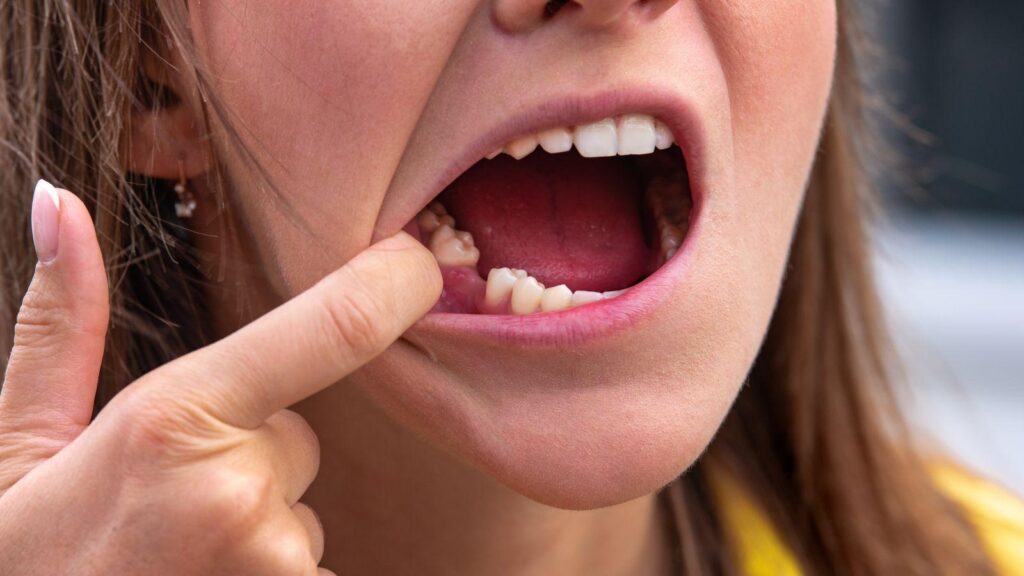
You can often tell the difference between a cavity and tooth sensitivity by how and when the pain occurs. Sensitive teeth tend to cause sharp, short pain from hot, cold, sweet, or acidic triggers and usually improve with gentle home care like desensitizing toothpaste and avoiding acids.
Cavities more often cause lingering, duller pain, spontaneous throbbing, or pain that worsens over time. If your tooth reacts with quick, sharp discomfort only to specific stimuli and eases with home measures, it’s likely sensitivity; if the pain lingers, comes without a clear trigger, or grows more intense, see a dentist like Laurel Dentist.
This article will help you spot key symptoms, try simple at‑home checks, and understand when the problem needs professional care. You’ll learn practical steps to reduce sensitivity, warning signs that point toward decay or infection, and when a dental visit becomes necessary.
Key Signs of Dental Sensitivity
You will usually feel brief, sharp pain in response to specific triggers. The pain pattern, timing, and location help distinguish sensitivity from decay.
Pay attention to what provokes the pain, how long it lasts, and whether it worsens when you bite or chew.
Common Triggers and Symptoms
Cold foods and drinks commonly cause a sudden, sharp sting lasting only a few seconds. Hot beverages or cold air can produce the same quick shock, especially along exposed root surfaces.
Sweet or acidic foods sometimes trigger brief discomfort when enamel is worn or dentin is exposed. Brushing or flossing too hard often produces immediate sensitivity at the gum line.
You’ll often notice the sensation on one or several teeth rather than across an entire side of your mouth. If gum recession or enamel erosion is present, the pain usually appears where the root surface or thinned enamel is exposed.
Sensitivity Duration and Severity
Sensitivity pain is typically short-lived — a spike that fades within seconds after the trigger is removed. Intensity ranges from mild annoyance to strong, sharp pain, but it rarely lingers for minutes or becomes constant.
If pain continues after the stimulus stops or grows stronger over time, that suggests a different problem. You may experience intermittent episodes linked to specific activities like cold drinks or brushing.
Frequency can increase if enamel loss or gum recession progresses. Stable, quick episodes point to non-decay sensitivity.
Differences From Cavity Pain
Cavity pain often produces a dull, persistent ache that can worsen with biting or chewing and may last long after the trigger is gone. Sensitivity pain, by contrast, is immediate and short; it does not usually interfere with chewing.
Look for accompanying signs of decay: visible pits, dark spots, food trapping, or swelling. If you have these plus prolonged or worsening pain, treat the issue as likely decay and see a dentist.
Recognizing Cavity Warning Signs
You can spot most cavities by watching for specific symptoms, visible changes, and how the problem worsens when untreated. Pay attention to sensitivity patterns, discoloration, and increasing pain or infection signs.
Typical Cavity Symptoms
Tooth pain that occurs with eating or drinking is a common sign. You may feel sharp, localized pain when biting down or sudden sensitivity to hot, cold, or sweet foods.
If sensitivity comes and goes only with temperature or sweets, it may be early decay. Constant throbbing pain suggests deeper involvement.
You might notice pain that wakes you at night or pain that lingers after a stimulus is removed. New bad taste or persistent bad breath can indicate trapped food or infection near a decayed area.
If you have a dental filling nearby, pain around that tooth should raise suspicion for recurrent decay.
Early Visual Indicators
Look for visible pits, holes, or white chalky spots on enamel, especially in the grooves of molars or between teeth. White spots often signal demineralization; brown or black areas suggest more advanced staining or decay.
Use a mirror and good light; floss to check gaps where food collects. Also check for roughness or a sticky feeling when you run your tongue over a tooth.
If you can feel a catch with a fingernail or dental pick (used gently), that surface may be softened by decay and needs a dentist’s evaluation.
Progression Without Treatment
Untreated cavities typically deepen into dentin and then approach the nerve, increasing pain and sensitivity. Expect episodes of sharp pain when chewing and eventually constant pain or swelling if the pulp becomes infected.
Infection can spread to surrounding gum tissue and cause abscess formation. You may notice increased tooth fracture risk as decay undermines structure.
Restorative options become more invasive as decay progresses—small fillings for enamel lesions, larger fillings or crowns for dentin involvement, and root canal or extraction if the pulp is infected.
Practical At-Home Identification Methods
You can perform a few focused checks to distinguish between reversible sensitivity and a likely cavity. Use brief tests, a careful visual exam, and select over‑the‑counter products only when appropriate.
Simple Sensitivity Tests
Use cold, sweet, and pressure tests one at a time, not all at once. For cold, hold an ice cube against the tooth for 5–10 seconds and note whether the pain is a brief sharp shock that stops when you remove the ice.
For sweet, place a small amount of sugar or syrup on the tooth and wait 10–20 seconds to see if the pain is immediate and fleeting. For pressure, gently bite on a cotton roll or the opposite tooth; pain that occurs only when biting suggests decay under the enamel or a cracked tooth.
Record which tooth reacts, how long the pain lasts, and whether the pain returns between tests. Sensitivity usually affects multiple teeth or gives a short, sharp response; a cavity often causes localized, lingering pain or pain during chewing.
Stop tests if pain becomes severe.
Visual Inspection Techniques
Work in bright light with a mirror and slightly separate your teeth with clean fingers or a spoon handle to view surfaces. Look for obvious signs: dark spots or lines, visible pits or holes, and rough or soft areas on enamel.
Also check gum recession near the painful tooth; exposed root surfaces can cause sensitivity without decay. Gently run a clean fingernail or a dental pick (if you have one and use it carefully) across suspicious areas.
A soft, sticky feeling or a catch in a groove suggests decay. Avoid aggressive probing; deep pits or mobility require a dentist’s evaluation.
When to Use Store-Bought Products
Try a desensitizing toothpaste containing potassium nitrate or stannous fluoride twice daily for 2–4 weeks if your tests indicate brief, stimulus‑triggered pain across several teeth. Use a soft-bristled brush and avoid acidic foods while testing product effects.
If sensitivity improves within that time, the problem was likely non-cavity sensitivity. Use fluoride rinses or topical gels for added enamel support, but don’t expect cavities to resolve.
If you see persistent dark spots, worsening pain, or pain when biting, stop home remedies and schedule a dental exam. Over-the-counter products help manage symptoms but do not replace diagnostic X-rays or professional treatment.
Factors That Influence Dental Pain
Several common factors change how your teeth feel: how you clean them, what you eat or drink, and any past procedures that altered tooth structure or nerves. These elements often interact, so one can amplify another.
Role of Oral Hygiene Habits
Your brushing and flossing technique directly affects whether you develop sensitivity or cavities. Brushing too hard or using a stiff-bristled brush wears enamel and exposes dentin, producing sharp, short-lived pain to cold or touch.
Brushing too infrequently lets plaque build up; acids from plaque soften enamel and lead to cavities, which usually cause more persistent, localized pain. Flossing removes food and plaque between teeth where cavities often start.
If you skip flossing, decay can progress hidden between teeth until it reaches the nerve and causes throbbing pain. Use a soft-bristled brush, fluoride toothpaste, and gentle circular strokes; floss once daily to reduce both sensitivity and decay risk.
Dietary Triggers
Acidic and sugary foods change how your teeth respond to stimuli. Citrus fruits, soda, wine, and vinegar-based foods erode enamel over time, making teeth more reactive to temperature and sweet stimuli.
Sugary snacks feed bacteria that produce acid and cause cavities; frequent snacking prevents saliva from neutralizing acids. Cold foods and drinks can trigger sharp sensitivity if dentin is exposed or enamel is thin.
Hot beverages sometimes cause lingering pain when decay reaches the pulp. Limiting acidic drinks, rinsing with water after acidic meals, and spacing sugary snacks more than one hour apart lowers the chance that diet will translate into pain.
Impact of Past Dental Treatments
Previous fillings, crowns, or root canals change how you perceive dental pain. A new filling may cause short-term sensitivity as the tooth settles; this typically fades within a few weeks.
If a filling is deep or poorly sealed, you may get persistent pain or sensitivity from leakage or secondary decay. Root canal treatment removes nerve tissue and should eliminate nerve pain, but pressure or infection around the treated tooth can still cause discomfort.
Crowns that expose root surfaces at the gumline can create sensitivity to cold. Keep records of treatment dates and report prolonged or worsening pain to your dentist so they can check restorations and surrounding tissues.
When and Why to Consult a Dentist
If your tooth pain is sharp, ongoing, or accompanied by swelling, you should seek professional care promptly. Timely dental assessment identifies whether the problem is a cavity, infection, fracture, or gum disease and lets your dentist recommend specific treatment.
Situations That Require Immediate Attention
Seek urgent dental care if you have any of the following: severe continuous pain that wakes you at night, swelling of the face or gums, a fever with tooth pain, or a visible hole or dark spot that’s getting larger. These signs often indicate infection or deep decay that can spread or damage the tooth nerve.
Also see a dentist right away for sudden sensitivity that follows trauma (a blow to the mouth), a cracked tooth, or when biting causes sharp pain. Emergency treatment can include antibiotics, root canal therapy, or extraction to prevent worsening infection and reduce the chance of systemic complications.
Risks of Delaying Professional Care
Delaying care for suspected cavities or persistent sensitivity lets decay progress into the tooth pulp, often turning a treatable cavity into a root canal or extraction case. Untreated infections can spread to surrounding bone and soft tissue, increasing treatment complexity and cost.
Chronic pain and untreated dental problems can impair eating, sleep, and work. They can also mask other conditions—gum disease and tooth fractures may present as sensitivity—so a prompt exam and X-rays help ensure you receive the correct, tooth-preserving treatment.
Effective Prevention and Care Strategies
Focus on daily habits that strengthen enamel, control acid and sugar exposure, and protect exposed dentin. Use targeted products and simple behavioral changes to lower your risk of cavities and reduce sensitivity.
Daily Maintenance Tips
Brush twice daily for two minutes using a soft-bristled brush. Hold the brush at a 45° angle and use gentle circular strokes to clean along the gumline; avoid aggressive scrubbing that wears enamel and causes recession.
Floss once a day to remove plaque between teeth where cavities often start. If manual floss is hard for you, try a floss pick or water flosser to reach tight contacts.
Limit acidic and sugary foods and drinks. Rinse with water after citrus, soda, wine, or fruit juice, and wait 30–60 minutes before brushing to avoid brushing softened enamel.
If you grind teeth, get a night guard. Addressing bruxism prevents enamel wear that leads to sensitivity and faster decay.
Schedule dental checkups every six months, or sooner if you notice persistent pain, new dark spots, or sensitivity that worsens.
Protective Products and Ingredients
Use a fluoride toothpaste with at least 1,000–1,500 ppm fluoride to strengthen enamel and help remineralize early decay. Look for “sodium fluoride” or “stannous fluoride” on the label.
Choose a toothpaste for sensitive teeth that contains potassium nitrate or stannous fluoride. These ingredients reduce nerve response and relieve sensitivity within weeks.
Alternate sensitivity toothpaste with your regular fluoride paste if recommended by your dentist.
Consider a prescription-strength fluoride gel or varnish if you have frequent cavities or high sensitivity. Your dentist can apply varnish or prescribe 5,000 ppm fluoride toothpaste for added protection.
Use alcohol-free antimicrobial mouthwash if you have gum recession or high plaque levels. Avoid alcohol rinses that can dry tissues and worsen discomfort.
When appropriate, apply a desensitizing varnish. Ask your dentist about bonding exposed root surfaces to reduce sensitivity and lower decay risk.