
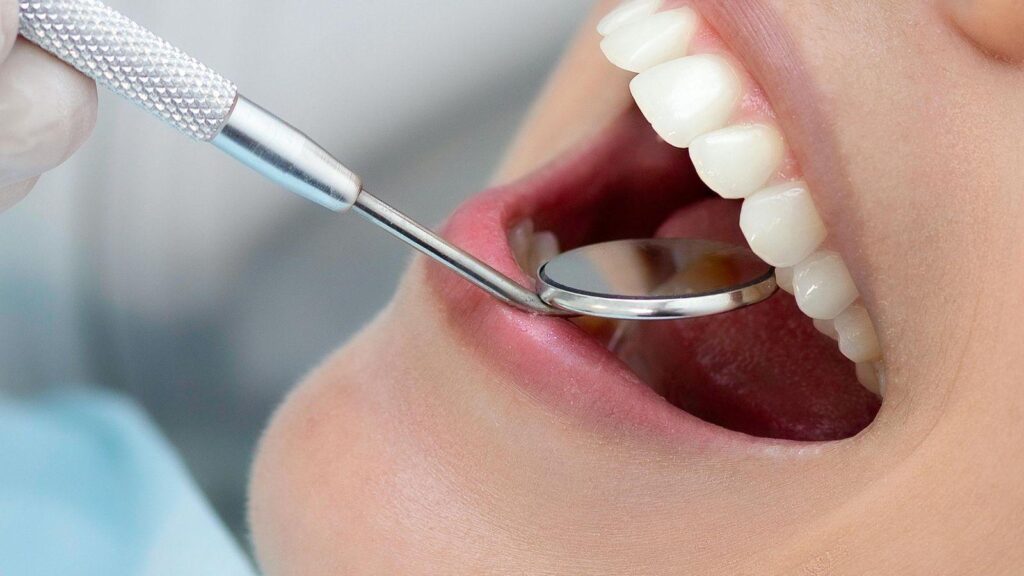
You may feel subtle jaw pressure, swelling, or intermittent pain and wonder whether a wisdom tooth needs to come out. If you have persistent pain, recurring infections near the back molars, noticeable crowding or shifting of your teeth, or X-rays showing impaction, those are clear signs a dentist like Gainesville Dentistry Co. will likely recommend removal.
Knowing what complications to watch for — from gum infections and tooth decay to damage to adjacent teeth and cysts — helps you decide when to act. The rest of this article explains what dental professionals in Gainesville examine, how age and local access affect timing, the risks of waiting, and what to expect when you schedule and prepare for extraction.
Common Indicators of Impacted Wisdom Teeth
You may notice persistent pain, local gum changes, or trouble opening your mouth. These signs often point to a wisdom tooth that’s blocked by bone or neighboring teeth and may need evaluation.
Persistent Jaw Pain or Discomfort
You might feel a dull, aching pain behind your molars that comes and goes or becomes constant. Pain can radiate to your ear, temple, or the opposite side of your jaw, and it often worsens when chewing or clenching.
If the tooth presses against adjacent teeth, you can experience localized tenderness and tooth sensitivity. Pain that interferes with sleep, appetite, or daily activities warrants a prompt dental exam and possible X-rays to check tooth position and nerve proximity.
Chronic discomfort can also indicate developing infection or cyst formation around the impacted tooth. Your dentist will assess severity and recommend extraction if conservative measures fail or if the tooth threatens neighboring structures.
Swelling and Redness in the Gum Area
You may see swollen, red gums around the back molar that feel warm and tender to the touch. The gum tissue can trap food and bacteria, producing a foul taste or bad breath that won’t go away with routine brushing.
Acute inflammation often occurs when a partially erupted tooth creates a flap of gum (operculum) that traps debris. Repeated episodes of pericoronitis — swelling plus pus or bleeding — signal that the tooth cannot maintain healthy gum coverage and extraction should be considered.
Note the extent of swelling: mild gum redness can be treated short-term, but fever, increasing swelling, or spreading facial puffiness means you need immediate professional care.
Difficulty Opening the Mouth
You may find it hard to open your jaw fully, or experience stiffness that makes yawning or biting uncomfortable. Limited mouth opening (trismus) often arises from inflammation of the muscles and tissues near an impacted wisdom tooth.
This restriction commonly appears with infection, causing soreness when you try to chew or speak. If antibiotics and warm compresses don’t improve your range of motion within a few days, an oral surgeon should evaluate you for extraction and to prevent further joint or muscle involvement.
Severe or sudden loss of jaw mobility, especially with fever or intense pain, requires urgent assessment to avoid complications.
Oral Health Complications Linked to Wisdom Teeth
Impacted or partially erupted wisdom teeth often create pockets where bacteria collect. Those pockets increase risk for localized infections and damage to the adjacent molars and gums.
Chronic Infections Near the Molars
When a wisdom tooth sits beneath the gum or partially breaks through, a flap of gum tissue can trap food and bacteria. You may experience recurring pain, swelling, bad breath, or a bad taste in your mouth; these are signs of a pericoronitis or chronic infection around the tooth.
Repeated infections can cause persistent inflammation of the gum and spread to nearby tissue or bone. That can make chewing painful and may require repeated antibiotics, drainage, or surgical removal of the tooth to stop the cycle.
Your dentist will look for tenderness, pus, and swollen lymph nodes, and will likely order X-rays to assess bone involvement. If infections recur despite conservative care, extraction usually provides definitive relief and prevents further tissue damage.
Tooth Decay and Cavities in Adjacent Teeth
Partially erupted wisdom teeth create tight spaces that are hard to clean with floss or a toothbrush. Food debris and plaque accumulate between the wisdom tooth and the second molar, raising your risk of cavities on both teeth.
Decay often appears on the side of the second molar where it contacts the wisdom tooth, and it can progress faster because the area is difficult to inspect during routine care. Your dentist may detect early demineralization on X-rays or during an exam.
If cavities form and reach the dentin or pulp, treatment can require fillings, root canal therapy, or extraction of one or both teeth. Removing a problematic wisdom tooth can protect the adjacent molar from future decay.
Signals a Gainesville FL Dentist Looks For
Dentists look for specific structural changes, gum health issues, and any soft-tissue or bone lesions that indicate a wisdom tooth needs removal. These findings come from X-rays, clinical probing, and visual exam of surrounding tissues.
Changes Observed During Dental X-Rays
On a panoramic or cone-beam CT, your dentist checks tooth angulation, root formation, and bone relationship. Impacted third molars tilted toward the second molar, horizontal impactions, or teeth trapped beneath dense bone raise concern because they can damage adjacent roots or prevent normal eruption.
You will see signs of resorption when the second molar’s root outline blurs next to the wisdom tooth. Loss of the cortical bone barrier between teeth, reduced trabecular bone density, or proximity to the mandibular canal also influence whether extraction is safer than monitoring.
Radiographs also reveal incomplete eruption with a retained follicle larger than 3 mm, which suggests risk for cyst formation. Your dentist uses these imaging findings together with symptoms to decide timing and surgical approach.
Periodontal Pocket Formation
When a wisdom tooth doesn’t fully erupt, it creates a difficult-to-clean flap of gum (operculum). You may develop deep periodontal pockets behind the second molar; probing depths of 5 mm or more in that area signal active periodontal disease linked to the third molar.
You’ll notice persistent bleeding on probing, purulent drainage, or recession near the distal surface of the second molar. These signs mean bacteria are causing localized bone loss that often progresses despite home care.
Your dentist measures pocket depths across multiple visits. If pockets persist after local therapy or if bone loss appears on radiographs adjacent to the second molar, extraction of the offending wisdom tooth is commonly recommended to protect your long-term periodontal health.
Cyst or Tumor Development
A widened follicular space, radiolucent area around the crown, or a well-defined radiolucency on X-ray can indicate a dentigerous cyst or other lesion. You might not feel pain at first, but progressive swelling, shifting of adjacent teeth, or unexplained enlargement of the jaw on imaging deserves prompt attention.
Your dentist may order a CBCT to assess lesion size and bone perforation. If a cystic lesion compresses roots, thins cortical bone, or shows internal calcifications, biopsy or surgical removal of the tooth with enucleation becomes necessary.
Detecting these lesions early reduces the chance of more extensive surgery. Your dentist documents size changes over time and coordinates with an oral surgeon when imaging or clinical signs suggest neoplastic potential.
Age, Timing, and Local Considerations
You will most often see wisdom-teeth issues emerge in late teens to mid-20s, but individual timing varies. Local factors in Gainesville—access to specialists, common insurance plans, and seasonal student populations—affect when and how you get care.
Typical Age Range for Extraction
Most extractions occur between ages 17 and 25 because roots are not fully formed and bone is more flexible, which usually makes removal easier and recovery faster. If you’re younger than 18, your oral surgeon may recommend removing problematic third molars before roots complete to reduce nerve injury risk and shorten healing time.
Older adults may face higher complication rates, including denser bone and increased chance of infection or cyst formation. Your dentist will base timing on X-rays, symptoms (pain, swelling, recurrent infection), orthodontic plans, and risk of impaction rather than age alone.
Community-Specific Dental Needs
Gainesville’s large student population increases demand for after-hours care and affordable emergency extraction options; you should check whether clinics accept your student or private insurance. Many local practices offer payment plans and weekend appointments to match student schedules and seasonal surges during university move-in and move-out periods.
Rural patients or those relying on Medicaid may experience longer wait times for oral surgery referrals. Ask your dentist about community clinics, dental schools, or mobile clinics in Alachua County that provide subsidized extractions and post-op care.
Risks of Delaying Wisdom Tooth Removal
Delaying removal raises the chance of tooth damage, infection, and more complex surgery later. You may face higher costs, longer recovery, and increased risk to nearby structures if you wait.
Damage to Surrounding Teeth
An impacted or partially erupted wisdom tooth can press against the second molar and cause steady pressure that wears down enamel and creates cavities where food and bacteria collect. You may notice new sensitivity or pain on the adjacent tooth, recurrent decay seen on X-rays, or shifting of tooth alignment that makes chewing uncomfortable.
If crowding progresses, your bite can change and orthodontic gains can relapse. In some cases the pressure leads to resorption of the root of the second molar, which may require root canal therapy or extraction.
Early removal often prevents this cascade; delaying can transform a straightforward extraction into a surgery that threatens neighboring teeth.
Potential for Gum Disease
Partially erupted wisdom teeth create pockets where plaque and bacteria accumulate beneath the gum flap (operculum), producing recurring pericoronitis—tender, swollen gum tissue that may drain pus. You might experience persistent bad taste, swollen lymph nodes, localized fever, or repeated prescriptions for antibiotics if the area keeps getting infected.
Chronic bacterial buildup also raises the risk of periodontal inflammation that can spread to adjacent molars, causing bone loss detectable on X-rays. Once bone loss occurs, treatment becomes more complex and may include deep cleaning (scaling and root planing), gum surgery, or tooth extraction rather than a simple outpatient removal.
When to Schedule a Dental Consultation
If you feel persistent pain at the back of your mouth or notice swelling that worsens, schedule a consultation soon. These signs can indicate infection or impaction that a dentist needs to evaluate.
Call your dentist right away if you have fever, pus, difficulty opening your jaw, or trouble swallowing. Those symptoms suggest an active infection or spread of inflammation that often needs prompt care.
Book an appointment when you experience repeated gum bleeding, bad breath that won’t improve, or shifting/crowding of nearby teeth. X-rays and an exam show whether your wisdom teeth are causing damage or are likely to in the future.
Consider a consultation even with mild but recurring soreness, especially if you are between 17 and 25. Early assessment helps your dentist or oral surgeon decide whether monitoring, cleaning adjustments, or removal is the best option.
What to bring to the appointment:
- A list of symptoms and when they began
- Any relevant medical history and medications
- Previous dental X-rays if available
Your dentist will perform a clinical exam and usually take panoramic X-rays to check tooth position and impaction. Expect clear options and a recommended timeline based on your specific findings.
Preparing for Wisdom Tooth Extraction in Gainesville
You will start with a consultation and imaging, usually a panoramic X-ray. This lets your surgeon assess impaction, root position, and nearby nerves.
Your provider will use this information to plan the safest approach. They will also discuss anesthesia options with you.
Follow pre-op instructions closely. Your clinic may ask you to fast for a certain period before sedation.
You might need to pause specific medications. Arrange a ride home if you receive IV sedation or general anesthesia.
Bring a list of current medications, allergies, and medical history. Inform the office about blood thinners, heart conditions, diabetes, or pregnancy, as these can affect timing and technique.
Plan for recovery at home for 24–72 hours. Stock soft foods like yogurt, broth, and mashed potatoes.
Have ice packs, gauze, and pain control medications ready as advised by your dentist or oral surgeon.
Expect clear instructions about oral hygiene after surgery. You will typically avoid brushing the surgical site for a short period and use gentle rinses.
Return for follow-up if swelling, fever, or heavy bleeding occurs.
Quick checklist
- Bring ID and insurance information.
- Arrange transportation and a companion if sedated.
- Fill prescriptions before the procedure.
- Wear loose, comfortable clothing and avoid makeup or jewelry.