
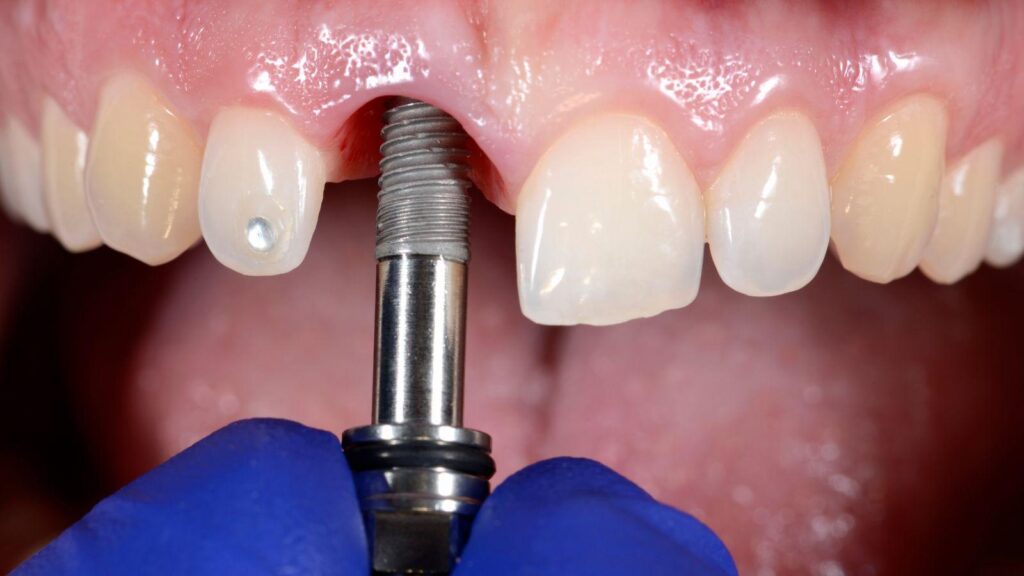
You’ll protect your investment and reduce complications by following clear post-op steps, keeping excellent daily oral hygiene, and attending scheduled maintenance visits with your Southfield dental team.
Start with gentle care after surgery, maintain brushing and flossing habits adapted for implants, and keep follow-up appointments to ensure long-term success.
Expect practical guidance on immediate wound care and everyday cleaning techniques. Learn the signs that need prompt attention and the lifestyle choices that speed healing.
Local tips for choosing the right Southfield specialists — such as Icon Implants and Dental Center — and what to expect at maintenance visits will help you feel confident managing your new implant from day one.
Essential Oral Hygiene Practices
Keep your implant area clean and control plaque every day. Maintain regular professional care to protect the implant and surrounding gum tissue.
Brushing and Flossing Techniques
Brush twice daily using a soft-bristled toothbrush or an electric brush with a soft head. Hold the brush at a 45° angle to the gum line and use short, gentle strokes around the implant crown and adjacent teeth.
Floss once daily using unwaxed floss or a floss threader to pass beneath the prosthesis where applicable. Slide the floss up and down along the implant surface and under the gum margin; avoid snapping the floss into the gum.
Consider an interdental brush (0.6–1.2 mm, nylon-coated) for spaces between implants or between an implant and a natural tooth. Use a gentle back-and-forth motion; stop if you feel resistance and ask your dentist for a different size.
Recommended Dental Products
Choose a soft manual or electric toothbrush labeled for sensitive gums. Electric brushes with pressure sensors help prevent overbrushing.
Use non-abrasive fluoride toothpaste; check the abrasive index (RDA) if available and avoid highly abrasive pastes. For implants, avoid whitening pastes with strong abrasives.
Select an antiseptic mouthwash containing 0.12% chlorhexidine for short-term postoperative use only, as recommended by your provider. For daily rinse, choose an alcohol-free antimicrobial mouthwash with CPC or essential oils if tolerated.
Use interdental brushes made for implants (nylon-coated) and implant-safe floss (PTFE or waxed). A water flosser set to low–medium pressure can help remove biofilm around abutments and under prostheses.
Professional Cleanings
Schedule professional implant cleanings every 3–6 months based on your risk factors such as smoking, diabetes, or history of gum disease. Your dentist or hygienist will assess tissue health and measure pocket depths around the implant.
During maintenance visits, clinicians use instruments safe for implants—plastic, titanium, or gold-coated scalers and non-abrasive polishers—to avoid scratching implant surfaces. They will remove calculus, check for loose components, and inspect the restoration fit.
Bring any concerns—bleeding, persistent bad taste, mobility, or swelling—to your provider immediately. Records of pocket depths, x-rays, and clinical notes during cleanings help track implant stability over time.
Immediate Post-Treatment Instructions
Expect some pain, swelling, and dietary limits for the first few days. Follow specific steps for pain control, eating safely, and keeping the implant area protected to support proper healing.
Managing Discomfort and Swelling
Take prescribed medications exactly as directed. If your surgeon gave you an antibiotic or opioid, finish the course and follow dosing intervals.
Use ibuprofen 400–600 mg every 6–8 hours (unless contraindicated) for inflammation and pain control. Apply a cold pack to the cheek for 10–20 minutes on and 10–20 minutes off for the first 48 hours.
Keep your head elevated while resting to reduce swelling. Expect soreness to peak 48–72 hours after surgery; call your provider if severe pain or increasing swelling persists beyond 72 hours or if you develop fever above 100.4°F (38°C).
Avoid strenuous exercise and heavy lifting for at least 48–72 hours. Smoking delays healing and increases infection risk; do not smoke for at least 7–14 days after surgery, longer if possible.
Dietary Precautions
Stick to soft, non-chewy foods for the first 7–10 days. Choose items like yogurt, mashed potatoes, scrambled eggs, smoothies (drink with a cup, not a straw), and well-cooked pasta.
Avoid hard, crunchy, sticky, or spicy foods that could irritate the site or dislodge sutures. Do not use a straw for 7–10 days because suction can disturb the blood clot and implant stability.
Drink plenty of fluids but avoid hot beverages immediately after surgery to reduce bleeding risk. If you have multiple implants or a bone graft, follow your surgeon’s timeline—sometimes a longer soft diet is required.
Report any persistent bleeding that soaks more than a gauze pad in 30–45 minutes.
Protecting the Implant Area
Do not disturb the surgical site with your tongue, fingers, or toothbrush for the first 24 hours. After 24 hours, gently rinse with warm salt water (1/2 teaspoon salt in 8 ounces of water) 3–4 times daily, especially after meals.
When you resume brushing, use a soft-bristled brush and avoid direct scrubbing of the implant site for 7–10 days. If your surgeon placed a protective dressing or sutures, leave them alone unless instructed otherwise.
Wear any prescribed oral appliance or nightguard as directed to prevent pressure on the new implant. Contact your Southfield provider immediately if you notice pus, a foul odor, loose implant components, numbness that doesn’t improve, or signs of allergic reaction to medications.
Long-Term Care Strategies
Focus daily cleaning on plaque removal and avoid hard bites. Prioritize regular professional checks and targeted gum care to prevent infection and bone loss.
Establishing Daily Routines
Brush twice daily with a soft-bristled toothbrush and a non-abrasive fluoride toothpaste. Use gentle circular motions at the gumline for 2 minutes to clean implant crowns and adjacent teeth.
Floss once daily using implant-specific tools: floss threaders, interdental brushes with nylon bristles, or water flossers set to a moderate pressure. Slide interdental brushes parallel to the gumline; avoid forcing stiff wires into tight spaces.
Rinse after meals with an alcohol-free antimicrobial mouthwash (chlorhexidine only if prescribed short-term). Track habits by logging brushing and professional care dates on your phone or calendar.
Maintaining Gum Health
Attend periodontal-style maintenance every 3–6 months so your dentist can remove biofilm with implant-safe instruments and check probing depths around implants. Early detection of redness, bleeding, or pocketing enables less invasive treatment.
Watch for signs of peri-implantitis: persistent bleeding, swelling, increased mobility, or pus. If you notice any of these, contact your Southfield dental office promptly for evaluation and possible localized therapy.
Control contributing factors: stop smoking, manage diabetes with regular medical follow-up, and maintain a balanced diet rich in calcium and vitamin D. These steps reduce inflammation risk and support implant longevity.
Recognizing and Addressing Potential Complications
Watch for localized pain, persistent swelling, drainage, loose parts, or changes in bite. Early detection and prompt action reduce the chance of losing the implant or needing more extensive treatment.
Signs of Infection
Look for increasing pain at the implant site that doesn’t improve with prescribed pain meds after 72 hours. Sharp or throbbing pain, warmth, redness of the gum, and swelling that worsens rather than subsides are key warning signs.
Note any persistent or worsening drainage (pus) or a bad taste/odor in your mouth. Fever or swollen lymph nodes near your jaw indicate a spreading infection and require immediate attention.
Also watch for gum recession around the implant, exposed implant threads, or persistent bleeding after brushing. These can signal peri-implantitis and often need professional cleaning, antibiotics, and sometimes surgical intervention.
When to Contact Your Dentist
Call your dental office right away if you have severe pain unrelieved by medication, visible pus, fever over 100.4°F (38°C), or sudden implant mobility. These are signs of active infection or failure that need same-day assessment.
Schedule contact within 24–48 hours for increasing swelling after the first three postoperative days, numbness that appears or worsens, or changes in bite or chewing that affect daily function. Your dentist may order X-rays, prescribe antibiotics, adjust the restoration, or refer you for surgical care.
If you notice slow-healing soft tissue, persistent redness, or tenderness during routine hygiene at home, book a prompt follow-up. Early professional cleaning and targeted treatment often prevent more invasive procedures.
Lifestyle Considerations for Successful Healing
Maintain good oral hygiene and avoid behaviors that stress the surgical site. Follow activity limits during the first few weeks to protect osseointegration and soft-tissue healing.
Impact of Smoking
Smoking raises your risk of implant failure by reducing blood flow and slowing bone and gum healing. Nicotine causes vasoconstriction, which limits oxygen and nutrient delivery to the implant site and increases the chance of infection and implant loosening.
Quit smoking at least two weeks before surgery and for a minimum of two to three months after implant placement. If you cannot quit, reduce use as much as possible and avoid smoking for 72 hours after the procedure to lower bleeding and contamination risk.
Ask your Southfield dental team about nicotine-replacement options or local resources to support cessation. Monitor for delayed healing signs: persistent swelling, increased pain after the first week, or gum recession around the implant.
Report any of these promptly so your provider can evaluate for infection or compromised osseointegration.
Physical Activities to Avoid
Strenuous exercise raises blood pressure and heart rate, which can increase bleeding and swelling at the implant site. Avoid high-impact and heavy-resistance activities—such as weightlifting, running, contact sports, and high-intensity interval training—for at least 7–14 days after surgery.
Also avoid activities that risk facial trauma, like boxing or mountain biking on rough trails, until your implant has integrated (commonly 3–6 months for full osseointegration). When you resume exercise, start with low-intensity activities: walking, gentle stationary cycling, and light stretching.
Follow any specific timeframes your Southfield clinician gives based on bone quality and whether you had bone grafting. If you experience increased bleeding, throbbing pain, or noticeable swelling after activity, stop immediately and contact your dental office.
Dental Implant Maintenance Visits
You should expect scheduled professional care to protect your implant’s health and function. Visits focus on soft-tissue checks, implant stability, cleaning with implant-safe tools, and early detection of problems that can be treated conservatively.
Frequency of Check-Ups
Most patients start with visits at 1, 3, and 6 months after placement, then move to a routine every 6 to 12 months. If you have risk factors—smoking, diabetes, history of periodontal disease, or bruxism—your dentist will likely recommend 3- to 4-month recalls.
Your Southfield provider may tailor intervals based on clinical findings. If probing depths increase, bone loss appears on radiographs, or inflammation persists, expect more frequent monitoring and targeted therapies.
Write down appointment dates and follow-ups. Consistent attendance helps your clinician track trends over time and intervene before issues require complex treatment.
What to Expect During Appointments
The visit begins with a clinical exam: your clinician inspects gum tissue, checks for redness, swelling, pus, and measures pocket depths around the implant. They will assess implant mobility and test occlusion to ensure the bite isn’t placing harmful forces on the prosthesis.
Professional cleaning uses nonmetal instruments (plastic, titanium, or specially coated scalers) and low-abrasive polishing pastes to avoid scratching implant surfaces. Your hygienist will remove plaque and calcified deposits from the implant crown and surrounding teeth.
Periodic radiographs show bone level changes. If they find signs of peri-implantitis or mechanical problems—loose screws or worn components—they’ll discuss treatment options such as local debridement, antimicrobial therapy, occlusal adjustment, or referral for surgical care.
Choosing the Right Dental Team in Southfield, MI
You should look for a team that offers both general and implant dentistry so your care stays coordinated from surgery through maintenance. Many Southfield practices combine prosthodontists, oral surgeons, and general dentists to manage implants and restorations under one roof.
Check credentials and experience with dental implants before you book. Ask about specialized training, years placing implants, and whether they use digital tools like 3D imaging or computer-guided placement.
Consider office services that support long-term implant health: routine hygiene, emergency care, and restorative follow-up. Clinics in Southfield commonly provide cleanings, crowns, and sedation options.
Use patient reviews and local reputation to gauge reliability and bedside manner. Read multiple reviews and note recurring comments about communication, scheduling, and post-op support.
Compare practical details that affect your experience: appointment availability, insurance and financing, location, and office hours. Create a short checklist to rate each practice on those items before deciding.