
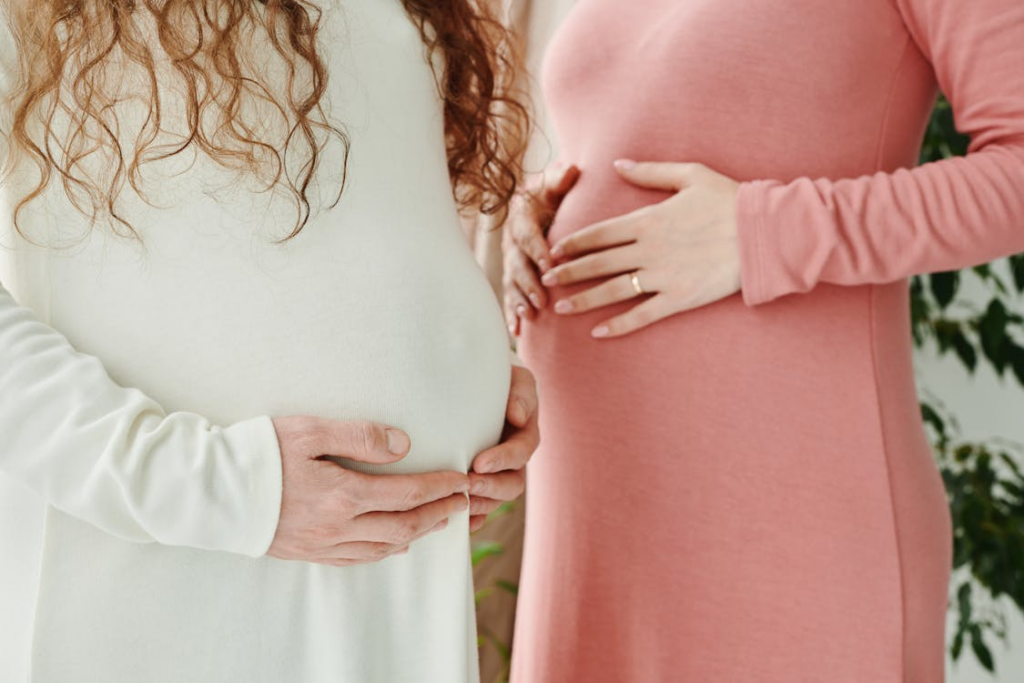
Pregnancy is a special time. It brings hope, change, and new beginnings. It also brings physical strain. Your body is working hard to adjust as your baby grows. These changes are natural, but they can lead to aches and pains that affect daily life.
Many women feel discomfort in their back, hips, neck, and shoulders. Some struggle with headaches, tiredness, or joint pain. While these issues are common, they should not simply be ignored. Safe and gentle support is available. One option many women explore is osteopathy.
Osteopathy is a hands-on therapy that focuses on how the bones, muscles, joints, and tissues work together. It aims to support the body’s natural balance. During pregnancy, this can help ease pain and improve comfort in a safe and calm way.
How Pregnancy Changes the Body
Pregnancy affects posture, movement, and balance. This often causes the lower back to curve more than usual. The pelvis tilts. The shoulders may round forward. Over time, this can strain the spine and surrounding muscles.
Hormones also play a part. The body releases hormones during pregnancy that soften ligaments. This helps prepare the pelvis for birth. However, it can also make joints feel unstable. This may lead to pain in the hips, pelvis, or lower back.
Weight gain adds further pressure to the joints. Everyday tasks such as walking, sitting, or turning in bed can feel harder. Some women also notice swelling, leg cramps, or stiffness.
All of these changes are part of pregnancy. But support can make a real difference.
Common Pregnancy Aches and Pains
Back pain is one of the most common complaints during pregnancy. It often affects the lower back, but it can also spread to the upper back and shoulders.
Pelvic pain is also common. Some women feel discomfort at the front of the pelvis, while others feel pain deep in the buttocks or hips. This can make walking or climbing stairs uncomfortable.
Headaches may increase due to posture changes, stress, or tension in the neck. Some women experience rib pain as the baby grows and presses upwards. Others report numbness or tingling in the hands.
Tiredness can make these symptoms feel worse. When the body is tense and sore, rest may not feel restful.
This is where osteopathy can help.

How Osteopathy Supports Expecting Mothers
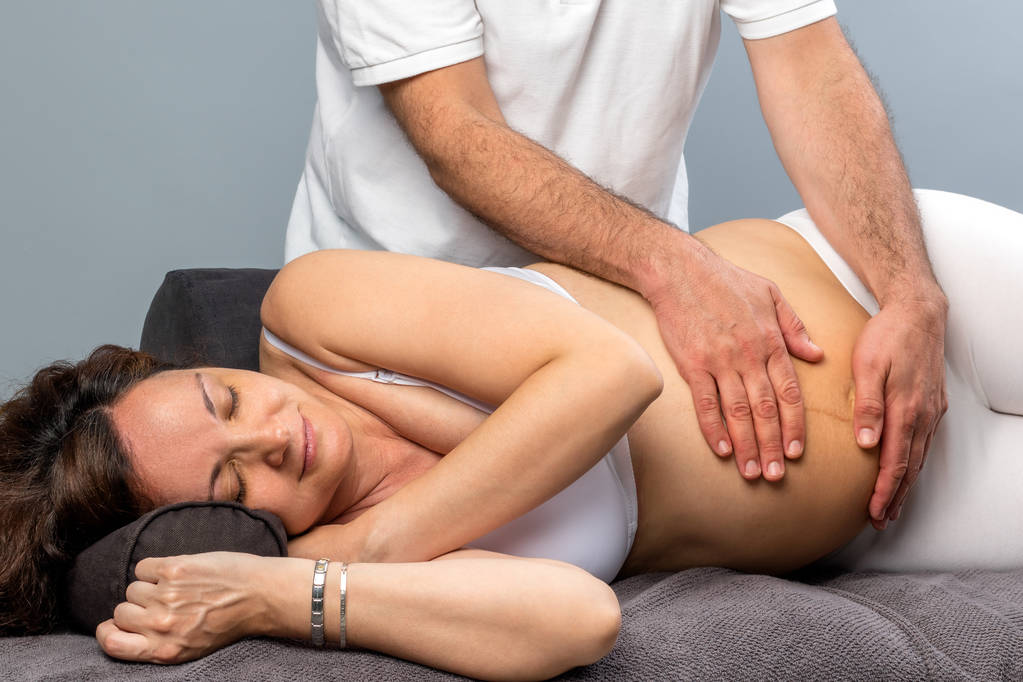
Osteopathy uses gentle techniques to support the body. An osteopath will assess how you stand, sit, and move. They look at how different parts of the body are working together.
Treatment often involves soft stretching, light pressure, and careful joint movement. The aim is to reduce tension and improve movement. This can ease strain on the spine and pelvis.
When the body moves more freely, pain often reduces. Better movement can also improve blood flow. This may help reduce swelling and support overall comfort.
Osteopathy does not focus on one painful spot alone. It looks at the whole body. For example, if the lower back hurts, the osteopath may also check the hips, upper back, and even the feet. Everything is connected.
Is Osteopathy Safe During Pregnancy?
Safety is always the main concern during pregnancy. The good news is that osteopathy is considered safe when provided by a trained practitioner.
Osteopaths are regulated by the General Osteopathic Council (GOC) in the UK. This body ensures that osteopaths meet strict training and practice standards. Registered practitioners follow clear guidelines to protect patient health.
Osteopaths who treat pregnant women use techniques suited to each stage of pregnancy. They avoid strong pressure and adapt positions for comfort and safety.
If you have a high-risk pregnancy or a medical condition, it is important to speak with your GP or midwife before starting treatment. Open communication helps ensure that care is right for you.
Preparing the Body for Labour
Osteopathy is not only about easing pain. It can also support the body as it prepares for birth.
For labour to progress well, the pelvis needs to move freely. If there is tension or imbalance in the pelvis or lower back, it may add to discomfort during labour.
Gentle treatment can help keep the pelvis aligned and flexible. This may support a smoother birth experience. While no therapy can promise a certain outcome, good balance in the body can help it work as it should.
Some women choose to have regular sessions during pregnancy to maintain comfort and support their changing body.
A Personalised Approach to Care
Every pregnancy is different. Some women feel strong and active. Others struggle with pain from early on. Osteopathy respects these differences.
A treatment plan is shaped around your needs. Your osteopath will ask about your symptoms, daily routine, and medical history. They will adjust their methods to suit your comfort level.
For example, some clinics such as Arc Osteopathy provide specialised care for pregnant women. This shows how practices can adapt their approach to support expectant mothers safely, without making treatment feel rushed or generic.
The key point is that care should always feel individual and respectful.
Emotional Wellbeing and Relaxation
Pregnancy affects more than the body. It can also affect mood and stress levels. Physical discomfort often adds to emotional strain.
Osteopathic sessions are usually calm and relaxed. The focused attention and gentle touch can help the body relax. Many women say they feel lighter and calmer after treatment.
When the body relaxes, breathing can deepen. Sleep may improve. This sense of ease benefits both mother and baby.
Relaxation supports wellbeing during pregnancy.
When to Start Treatment
It is often better to seek support early rather than wait for pain to worsen. Mild discomfort can become harder to manage if ignored. Starting treatment when symptoms first appear may prevent further strain.
Some women begin osteopathy in the second trimester, when posture changes become more noticeable. Others seek help later as pressure increases. The right time is when you feel you need support.
Osteopathy as Part of Wider Care
Osteopathy works well alongside other healthy habits. Mild exercise, such as walking or pregnancy yoga, can help maintain strength and flexibility. Paying attention to posture can also reduce strain.
Supportive shoes, good seating, and regular rest make a difference too.
Osteopathy is not a cure for every pregnancy symptom. It is one part of a wider approach to comfort and health. Combined with medical care and healthy living, it can help you feel more at ease in your changing body.
Choosing the Right Practitioner
If you are thinking about osteopathy, check that your practitioner is registered with the GOC. Ask about their experience with pregnant patients.
A good osteopath will listen carefully. They will explain what they are doing and make sure you feel safe throughout the session. You should never feel pressured into treatment.
Trust and comfort matter.
Final Thoughts
Pregnancy brings many changes. Some are joyful. Some are challenging. Pain and discomfort are common, but they do not have to define your experience.
Osteopathy offers a gentle, hands-on way to manage aches and support balance in the body. It focuses on natural movement and careful care. For many women, this approach helps them move more freely and feel more at ease.
If you are looking for safe pain support during pregnancy, it may be worth exploring osteopathy as part of your care plan. With the right guidance, you can give your body the support it deserves while preparing to welcome your baby into the world.