
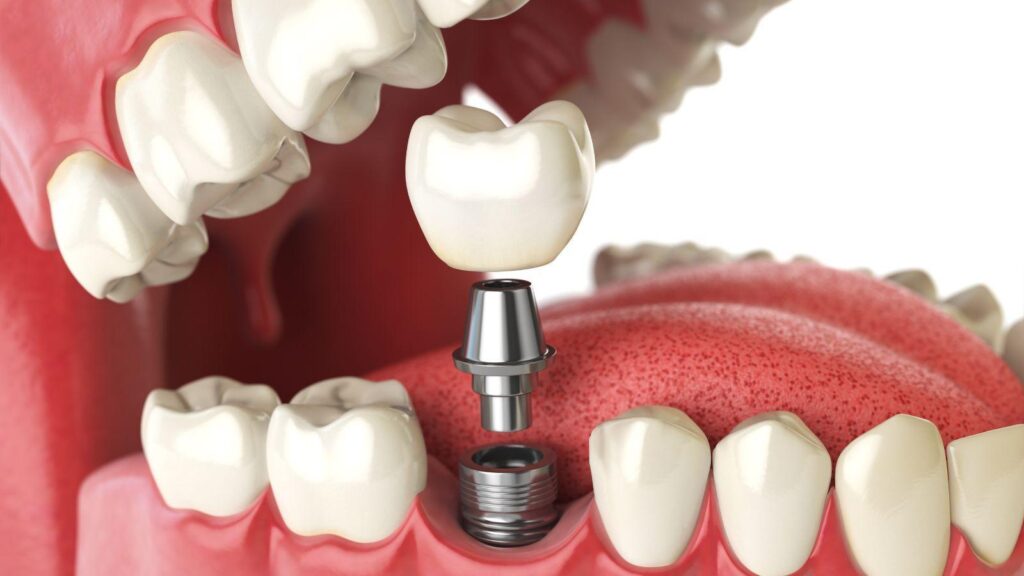
Dental implants cost more than dentures or bridges because they combine high-grade materials, precise surgery, and advanced digital planning. All of these add measurable expense but also deliver long-term function and appearance.
This article walks through the core cost drivers—materials, specialist fees, lab work, and technology—plus common unforeseen charges. You’ll also learn how implants compare to alternatives and get practical strategies for reducing your bill, from selecting providers to financing and insurance tactics for affordable dental implants in White House, TN.
Core Components That Drive Up Implant Costs
Key cost drivers include high-grade surgical materials and imaging technology. The hours and training of experienced clinicians and personalized planning also often require extra procedures like bone grafts or CT scans.
These elements raise the upfront price and affect long-term success.
Surgical Materials and Technology
You pay for biocompatible implants made from medical-grade titanium or zirconia that resist corrosion and integrate with bone. A single titanium post often represents $1,000–$3,000 of the per-tooth cost because manufacturers test and certify implants for strength, surface treatments, and fit tolerances.
Digital diagnostics and guided-surgery tools add expense too. Cone-beam CT scans, intraoral scanners, and 3D-printed surgical guides improve accuracy but typically run several hundred to over a thousand dollars per case.
Labs that fabricate custom crowns use CAD/CAM milling and premium ceramics. A high-quality crown can cost $800–$3,000.
Each material and device raises reliability and precision—and the price.
Expertise of Dental Professionals
Your implant outcome depends on clinician skill, which commands higher fees. Implant dentists invest years in postgraduate training, fellowships, and continuing education to manage surgical placement, bone grafting, and complex restorations.
Those additional credentials often translate into higher hourly rates. Surgical time, anesthesia choices, and staffing also affect cost.
Procedures requiring sedation, an oral surgeon plus a restorative dentist, or multi-visit care increase professional charges. You may also pay for a team approach—implant surgeon, prosthodontist, dental lab technician—because coordinated expertise reduces complications and repeat work, even if it raises the initial bill.
Individualized Treatment Planning
You receive a custom plan based on your anatomy, oral health, and goals, not a one-size-fits-all price. If you need tooth extraction, bone grafts, sinus lifts, or ridge augmentation, each adds materials, surgical time, and healing appointments.
Bone grafting alone can add several hundred to a few thousand dollars depending on graft type and volume. Treatment sequencing and timing influence cost too.
Staged approaches (graft then implant) increase visits and imaging, while immediate-load protocols require more precise planning and premium components. Insurance coverage varies, so your out-of-pocket cost depends on which procedures documentation and codes your plan will reimburse.
Hidden and Unforeseen Expenses
Many costs don’t show up in the initial quote but can add hundreds to thousands of dollars. Expect extra fees for scans, preparatory surgery, and ongoing maintenance that affect final price and timeline.
Pre-Procedure Diagnostics
You’ll likely need diagnostic work beyond a basic exam. Typical items include a CBCT 3D scan ($150–$600), panoramic X-rays ($50–$150), and intraoral digital scans ($100–$400).
Specialists may charge separate consult fees, often $50–$300, especially if an oral surgeon or prosthodontist evaluates complex cases. Lab work and medical clearances can add costs if you have health issues or take certain medications.
If you require repeat imaging because of planning changes, expect additional charges. Ask the clinic for an itemized list so you can compare providers and avoid surprise billing.
Bone Grafting or Sinus Lifts
If your jaw lacks sufficient bone, grafting or a sinus lift becomes necessary. A minor graft (socket preservation) may cost $200–$1,000 per site.
Larger block grafts or atraumatic augmentation can run $800–$3,000+, depending on graft material (autograft, allograft, xenograft, or synthetic) and surgeon expertise. Sinus lifts are more complex: lateral window sinus lifts typically cost $1,000–$3,000 per side.
Recovery time and additional follow-up visits increase indirect costs like time off work and extra medications. Confirm whether the implant fee assumes existing bone; if not, factor grafting into your total budget before scheduling.
Post-Operative Care and Maintenance
After surgery, you’ll face short- and long-term costs. Immediate items include antibiotics, pain meds, and follow-up visits—budget $50–$300 for prescriptions and 1–3 post-op appointments.
If complications arise (infection, implant failure), revision surgeries can cost as much as the original implant placement. Long-term maintenance includes professional cleanings, occasional X-rays, and potential abutment/crown replacements.
Expect routine check-ups annually; crowns may need replacement every 10–15 years at several hundred to a few thousand dollars each. Ask about warranties and what they cover so you understand which future expenses remain your responsibility.
Comparing Dental Implants to Alternative Treatments
Dental implants cost more up front but offer stronger bite force, bone preservation, and longer lifespan. Alternatives like bridges and dentures have lower initial fees but may require more maintenance, periodic replacement, and can affect adjacent teeth or bone over time.
Bridges and Dentures
Bridges cap and anchor to adjacent teeth, while removable dentures sit on gums. Bridges typically cost less than an implant-supported crown but require grinding healthy teeth for abutments and may fail earlier if those teeth decay or fracture.
Removable dentures have the lowest initial cost and can replace multiple teeth, yet they provide weaker chewing power and often need relines or replacement every 5–8 years. Consider function and hygiene: implants restore near-natural bite strength and let you floss normally around the restoration.
Bridges create partial-pillars that complicate cleaning under the pontic. Dentures can trap food and accelerate jawbone resorption without an implant-supported overdenture option.
Long-Term Cost Considerations
Add up initial fees, maintenance, and replacement cycles to compare lifetime cost. An implant often costs more at placement but can last 15–30+ years with good care; crowns on implants may still need replacement once or twice.
Bridges and dentures usually require relines, repairs, or full replacement multiple times over two decades. There may also be potential costs to treat adjacent tooth damage or bone loss.
Factor in indirect costs: lost work from dental visits, dietary limits from reduced chewing efficiency, and future grafting to stabilize collapsing ridges. If you value longevity and lower long-term maintenance, implants may be more cost-effective despite the higher upfront price.
Geographic and Provider-Based Price Differences
Location, clinic type, and provider experience directly shape what you’ll pay for implants. Expect to see sizeable price swings between cities, states, and different kinds of dental practices.
Regional Cost Variations
Prices vary by city and region because local operating costs change what practices charge. In large metropolitan areas like Minneapolis or New York you may encounter higher median fees—sometimes several hundred to over a thousand dollars more per implant—than in smaller cities or rural areas.
States with higher rent, wages, and insurance costs generally push implant prices up. Travel and competition also affect costs.
If many specialists practice in your metro area, you might find competitive pricing or promotional packages. In under-served regions you may pay a premium for limited local expertise and longer wait times.
Clinic Type and Reputation
The type of clinic and the clinician’s credentials change your bill. Specialist clinics (oral surgeons, periodontists) often charge more for complex cases because they use advanced surgical techniques and specialist-grade materials.
General dentists may quote lower prices for straightforward implant placement, but check whether they routinely handle bone grafts, sinus lifts, or full-arch restorations. Reputation and demand influence fees too.
Clinics with long waitlists, strong referral networks, or a high volume of advanced implant work can command higher rates. Look for clear fee breakdowns—implant body, abutment, crown, imaging, and any grafting—to compare value, not just the headline price.
Insurance, Financing, and Payment Strategies
You will likely face limits from dental insurance and can use several financing paths to lower upfront cost. Know what insurance typically covers and compare payment options like in-house plans, dental loans, and tax-advantaged accounts before you commit.
Dental Insurance Coverage Limitations
Most dental plans treat implants as prosthetics or elective restorative care and cap coverage at a percentage or a fixed lifetime maximum. Expect typical coverage of 0–50% and annual caps around $1,000–$2,000, which rarely covers the full implant cost.
Preauthorization and itemized estimates matter. Ask your insurer for preauthorization for the implant, abutment, and crown separately so you know what portions they will deny or reduce.
Watch waiting periods and exclusions for pre-existing conditions. If your plan limits implant benefits, you can often claim portions for related services—like extractions, X-rays, or bone grafts—under medical benefits instead of dental.
Keep written benefit summaries and denial letters. They help appeal decisions or negotiate with the clinic.
Payment Plans and Financing Options
Compare these common options side-by-side:
- In-house financing: Often interest-free for short terms; easy approval; may require a down payment.
- Dental loans/credit cards: Fixed monthly payments; watch interest rates and total cost. Promotional 0% APR offers can work if you can pay within the term.
- Healthcare credit (CareCredit or similar): Designed for medical/dental, with promotional plans and patient-friendly terms for many clinics.
- HSA/FSA funds: Use tax-advantaged dollars for eligible dental expenses; reduces your effective cost.
- Dental schools or clinics: Lower fees in exchange for student-provided care under supervision; scheduling may take longer.
Request a written payment proposal that lists implant, abutment, crown, imaging, grafts, and follow-up visits. Negotiate pricing or phased treatment—place the implant now and schedule the crown later—to spread costs.
Practical Ways to Reduce Your Implant Expenses
You can lower implant costs by comparing detailed treatment quotes, considering care in lower-cost locations, and timing procedures to avoid extra fees. Each approach targets specific drivers of price: provider fees, lab/material costs, travel logistics, and preparatory treatments.
Comparing Multiple Treatment Quotes
Request itemized written estimates from at least three providers before deciding. Look for separate line items for consultation, imaging (CBCT), implant fixture, abutment, crown, bone grafts, sinus lifts, and follow-up visits.
Ask which brand and material they plan to use (titanium vs. zirconia; name the implant system). Different brands have different warranty policies and component costs that affect long-term value.
Compare not just total price but what’s included: temporary restorations, sedation, and aftercare. Use a simple comparison table to rank cost, included services, anticipated additional procedures, and estimated timeline.
Negotiate where reasonable—some offices will match or offer phased payment plans, discounts for full upfront payment, or reduced fees for paying cash.
Traveling for More Affordable Care
Identify regions or countries with reputable clinics that publish transparent pricing and have English-speaking staff. Common choices include certain U.S. states with lower overhead, Mexico, Costa Rica, and parts of Eastern Europe and Southeast Asia.
Verify credentials, patient reviews, and before/after photos. Ask for clinic accreditation, surgeon CVs, and complication protocols.
Plan trips to combine treatment stages: initial surgery in one visit and prosthetic placement in another to save on multiple flights. Factor in travel costs, accommodation, and potential follow-up travel for complications.
Use a checklist: compare total out-of-country cost (treatment + travel), local warranty or retreatment terms, and contingency plans in your home country if complications arise.
Timing Your Procedure Strategically
Schedule implants when you can avoid urgent extras like emergency extractions or rushed bone grafts. Treatable issues such as periodontal disease or localized infection should be stabilized first to reduce the chance of added procedures.
Consider staging treatment: place implants on one side or a few at a time to spread cost and let healing guide further work. Staging can also reduce immediate out-of-pocket burden and let you compare outcomes across providers.
Use tax-advantaged accounts (HSA/FSA) before year-end to pay eligible dental expenses and lower net cost. Also check whether you can combine insurance coverage, dental discount plans, or employer benefits to cover parts of prep work or prosthetics rather than the implant fixture itself.
Evaluating Value Versus Upfront Cost
You pay more up front for implants, but value depends on time and outcomes. Consider how long the solution will last and what it replaces.
Temporary fixes often require repeated spending. Think about function and health, not just price.
Implants restore chewing efficiency and help preserve jawbone. They also reduce the need for future corrective work.
Use a simple comparison to judge cost-effectiveness:
- Upfront cost: typically higher for implants.
- Ongoing cost: dentures or bridges may need relines, replacements, or adjustments every few years.
Long-term maintenance for implants usually involves routine hygiene and occasional checks. They do not require frequent rebuilds.
You should weigh quality-of-life factors alongside dollars. Comfort and confidence in eating and speaking factor into value.
Reduced risk of adjacent tooth damage is another consideration. Ask your provider for an itemized estimate and expected lifespan for each option.
That makes it easier to compare projected 5–10 year costs. Consider potential hidden expenses like bone grafts or specialist fees.
Consider financing and insurance coverage. Lower-cost alternatives like mini implants or hybrid prostheses can reduce your initial outlay.
These options may still provide many implant benefits.