
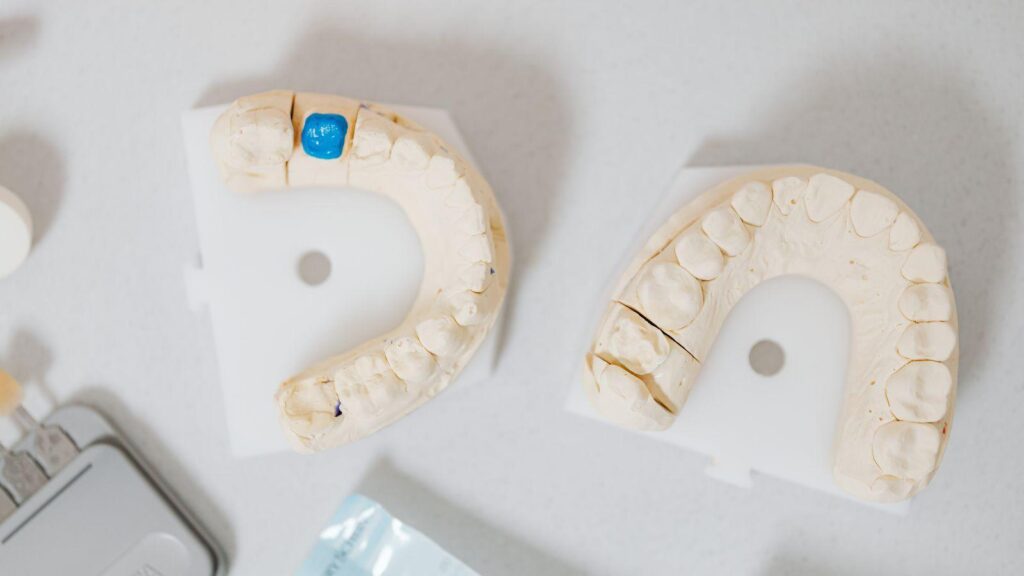
Sweet foods can hit a nerve—sometimes literally—so one tooth can flare with sharp pain the moment sugar touches it.
If a specific tooth hurts instantly when you eat sweets, the most likely causes are decay reaching dentin or nerve, an exposed area of dentin from enamel loss or gum recession, or an existing crack that lets sugar reach sensitive nerve endings.
You’ll learn how sugar interacts with tooth structure and nerves, which common dental problems trigger that lightning pain, and what quick relief and prevention options you can try.
This article will also help you spot warning signs that require a dentist’s care — like the team at Liberty Dentistry — so you can stop guessing and start fixing the problem.
Dental Sensitivity Triggers
Sweet foods can cause immediate sharp pain in a single tooth when protective barriers are compromised, dentin becomes exposed, or fluid shifts inside microscopic channels transmit stimuli to nerves.
Enamel Erosion and Its Effects
Enamel is the hard outer layer that protects the inner tooth.
When acid from foods, drinks, or stomach reflux repeatedly contacts enamel, it dissolves microscopic mineral crystals and thins the surface.
Thinned enamel reduces insulation from sugars reaching deeper tooth layers.
Once enamel wears away enough, sweet molecules can interact with dentin or reach tiny defects that transmit sensations to nerves.
You may notice the pain appears quickly with sweets because sugar itself can create an osmotic change at the exposed surface, and acids in many sweets accelerate enamel loss.
Preventive steps you can take include reducing acidic or sugary exposure, using fluoride toothpaste to strengthen enamel, and avoiding aggressive brushing right after acidic foods.
Gum Recession Exposure
Gum recession pulls soft tissue away from the tooth root, exposing cementum and dentin that lack enamel protection.
You’ll often feel sharp pain localized to one tooth when sweets touch the exposed root surface.
Roots contain softer calcified tissue that wears faster than enamel, so even a small area of recession can produce disproportionate sensitivity.
Common causes you should check for include aggressive brushing, periodontal disease, and misaligned bite forces that concentrate pressure on one tooth.
Treatment options you can discuss with your dentist include improving oral hygiene technique, treating gum disease, applying desensitizing agents, and in some cases a gum graft to cover exposed root surfaces.
Dentin Tubules Role
Dentin lies under enamel and contains microscopic channels called tubules that run to the nerve-containing pulp.
When dentin is exposed, fluids in these tubules move in response to thermal, osmotic, or chemical stimuli.
Sugary substances change the fluid dynamics or create brief osmotic shifts that stimulate nerve endings quickly, producing that instant sharp pain you feel in one tooth.
The number and diameter of open tubules determine sensitivity intensity; wear, acid erosion, cavities, or cracks increase tubule exposure.
You can reduce tubule-mediated pain with desensitizing toothpaste (containing potassium nitrate or stannous fluoride), professional fluoride varnishes, or restorative treatments that seal tubules and block stimulus transmission.
How Sugar Interacts With Teeth
Sugar can trigger immediate nerve responses, feed plaque bacteria, and speed acid production that softens enamel.
Each process acts quickly in the mouth and can concentrate on a single vulnerable tooth.
Immediate Chemical Reactions
When sugar contacts a tooth with exposed dentin or a tiny enamel defect, it can draw fluid through microscopic dentinal tubules.
That fluid movement mechanically stimulates the nerve endings in the pulp, causing a sharp, instant pain you feel in one tooth.
Sugars dissolve rapidly in saliva and spread across the tooth surface, so even a small amount reaching an area of weakness can produce a noticeable zing.
If a crack or worn spot reaches close to the nerve, osmotic shifts from concentrated sweet solutions amplify the sensation.
Temperature changes from the food or drink can combine with the sugar’s effect, increasing sensitivity in that single tooth.
Plaque Bacteria Activity
Dental plaque is a biofilm of bacteria and sticky matrix that clings to teeth, especially near gum lines and crevices.
When you eat sugar, plaque bacteria metabolize those sugars almost immediately, using them as a rapid energy source.
Specific bacteria (e.g., Streptococcus mutans) convert sugars into acids and extracellular polysaccharides that make the biofilm stickier and more protective.
That localized bacterial activity concentrates acid and byproducts against the tooth surface.
If plaque is thicker around one tooth—because of a filling gap, crowded tooth, or poor brushing—acid levels rise there first, making that tooth the source of sudden pain.
Acid Production From Sweets
Acids produced by bacterial fermentation of sugars lower the local pH within minutes.
A drop below roughly pH 5.5 begins to demineralize enamel; with repeated exposures, enamel weakens and dentin becomes exposed.
Acid attack is not uniform: it targets spots where plaque accumulates or where enamel is already thinned.
This explains why one tooth can hurt while adjacent teeth feel fine.
Sugary sticky foods and frequent sipping of sweet beverages prolong acid exposure.
That extended low-pH environment accelerates mineral loss and increases the chance that sugar will reach and stimulate the tooth’s nerve.
Recognizing Signs of a Sensitive Tooth
You may feel sudden, sharp reactions in a single tooth when you eat sweets, and the pain often follows a repeatable trigger.
Look for consistent patterns in timing, location, and what makes the pain stop.
Sharp Pain on Contact
Sharp pain when sugar hits a tooth is usually immediate and short-lived.
You might feel a quick, stabbing sensation that lasts a fraction of a second to a few seconds the moment the sweet touches the tooth surface.
This pain often means exposed dentin or direct nerve irritation.
Common causes include a small cavity on that tooth, a tiny crack in the enamel, or loss of enamel near a filling margin.
Pay attention to what provokes the pain: concentrated syrupy candies, cold sweet drinks, or sugary gels commonly trigger the response.
If the pain is identical each time you taste something sweet, that consistency points toward a localized structural problem rather than generalized sensitivity.
Localized Discomfort Patterns
Localized patterns help distinguish a single sensitive tooth from broader sensitivity.
You may notice the ache occurs only on one side of the mouth, only when biting certain foods, or only when the sweet touches a specific area of that tooth.
Examine the tooth visually and with your tongue.
Look for pits, dark spots, a hairline crack, or a rough edge at a filling.
If you find a discrete defect at the same spot that triggers the pain, that site is likely the source.
Record when the pain starts and stops and what foods cause it.
Bring these details to your dentist; specific descriptions—such as “sharp zing on the upper right canine only with candy”—help identify whether you need a filling, crack repair, or other targeted treatment.
Common Dental Problems Behind Instant Pain
You may feel a sharp, immediate sting when a sweet spot hits one tooth because exposed dentin or nerve inflammation reacts quickly to sugar.
Small, specific defects in tooth structure or decay close to the pulp can turn a single tooth into a hypersensitive trigger.
Cavities Near the Gum Line
A cavity that starts at the enamel near the gum line often exposes dentin, the network of microscopic tubules that lead to the nerve.
When sugar contacts these tubules, it changes fluid movement and stimulates the nerve, producing a sudden, localized pain you notice only on that tooth.
You’ll commonly see this with receding gums or poor brushing along the gum margin.
The area may look darkened or feel rough with a tiny pit; sometimes there’s no visible hole yet but the enamel is thin.
Treatment options include removing decay and placing a filling, applying a fluoride varnish or desensitizing agent, or, for advanced decay, a crown or root canal if the pulp is infected.
Keep these steps in mind:
- Maintain targeted brushing and flossing at the gum line.
- Use a fluoride toothpaste and professional fluoride treatments.
- See a dentist promptly if pain persists after sweets or if you notice discoloration.
Microcracks in Tooth Structure
A hairline crack in enamel can let sugary solution reach dentin faster at a single spot, causing instant sharp pain.
These microcracks often form from chewing hard foods, teeth grinding (bruxism), or sudden temperature changes, and they may be invisible without magnification.
Pain usually occurs only when pressure or a sweet stimulus makes fluid shift in the crack’s tubules.
You might also feel brief pain on biting or with cold.
Dentists diagnose microcracks using visual inspection, transillumination, or bite tests.
Treatment ranges from smoothing and bonding the cracked area to placing an onlay or crown to stop propagation; severe cracks that reach the pulp may require root canal therapy.
Practical points:
- Avoid chewing very hard items and ask about a nightguard for grinding.
- Report intermittent, sharp sensations on a single tooth so the crack can be treated before it worsens.
Sweet Foods and Nerve Response
Sweet foods can trigger immediate tooth pain by moving fluid in exposed dentin tubules and by irritating or inflaming the tissue inside the tooth.
You will feel a sharp, brief zing when fluid shifts or nerve endings react, and a deeper, lingering ache if the pulp becomes involved.
Direct Nerve Stimulation
When enamel is worn or gum recession exposes dentin, thousands of microscopic tubules open toward the nerve-rich center of the tooth.
Sugary substances create osmotic changes in those tubules, so fluid moves rapidly and mechanically stimulates sensory nerve endings.
This mechanical stimulation activates A-delta fibers, which transmit sharp, well-localized pain you notice instantly after contact with sweets.
The pain usually stops within seconds once the stimulus is removed, unless the tubules remain exposed or repeat irritation continues.
You can reduce this response by using a desensitizing toothpaste (containing potassium nitrate or stannous fluoride), applying a fluoride varnish, or restoring the exposed area with a bonding agent to block tubule flow.
These measures lower fluid movement and decrease nerve firing.
Tooth Pulp Involvement
If decay, cracks, or deep restorations allow bacteria or repeated stimuli to reach the pulp, inflammation (pulpitis) can develop and change the pain character.
Inflamed pulp produces continuous, throbbing, or heat-sensitive pain that may begin as a sharp sting from sweets but persists longer and can become spontaneous.
In pulpitis, nerve fibers become hyperresponsive; chemical mediators sensitize nerves so even mild osmotic shifts or temperature change cause exaggerated signals.
Diagnostic signs include lingering pain after the stimulus, sensitivity to tapping, and radiographic evidence of deep decay or periapical changes.
Treatment ranges from pulp-protective liners and restorative repair for reversible pulpitis to root canal therapy if the pulp is irreversibly damaged.
Your dentist will test sensitivity and use X-rays to decide the correct intervention.
Lifestyle and Dietary Influences
Your daily diet directly affects how your teeth respond to sweets.
Frequent snacking on sugary or acidic foods bathes enamel and exposed dentin in sugars that feed cavity-causing bacteria, increasing the chance one weakened tooth will react sharply.
If you skim oral care or brush aggressively, you may expose dentin or worsen a tiny cavity.
Brushing right after acidic or sugary foods can also abrade softened enamel; wait 30–60 minutes before brushing to protect enamel.
Certain habits raise risk: frequent sipping of sugary drinks, chewing sticky candies that cling to a single tooth, and using tobacco all make localized decay or gum recession more likely.
These create focal sites where sweetness triggers instant pain.
Medications and dry mouth change your mouth’s environment.
Reduced saliva means less buffering of acids and slower clearance of sugars, so a single tooth with early decay or a crack can hurt when exposed to sweets.
Practical steps you can take:
- Rinse with water after sweets to reduce sugar contact.
- Choose sugar-free alternatives or chew sugar-free gum to stimulate saliva.
- Space sweet consumption to allow saliva to neutralize acids.
- See a dentist if pain is sudden or persistent, as targeted treatment may be needed.
Available Relief and Preventative Strategies
Start with immediate relief: rinse your mouth with warm salt water to reduce irritation and use a desensitizing toothpaste containing potassium nitrate or stannous fluoride.
Apply a cold compress to your cheek for 10–15 minutes to reduce localized pain and inflammation.
Avoid acidic, very hot, or very cold foods for a short period after pain starts, and chew on the opposite side.
Over-the-counter pain relievers like ibuprofen can help, but follow dosing instructions and avoid masking severe or persistent pain.
Maintain gentle but thorough oral hygiene: brush twice daily with a soft-bristled brush and floss once a day to remove sugar and plaque that feed decay.
Consider a fluoride mouthwash or professional fluoride treatment to strengthen enamel and reduce sensitivity.
If you suspect a cavity or cracked tooth, see a dentist promptly; these conditions often cause instant pain from sweets.
Your dentist may offer fillings, a crown, or root canal therapy depending on the damage.
For long-term prevention, limit frequency of sugary snacks and rinse with water after sweet foods to lower acid exposure.
Use a custom night guard if you grind your teeth, and schedule regular dental checkups every six months to catch problems early.
Practical checklist:
- Brush with desensitizing toothpaste
- Rinse with water or salt water after sweets
- Use fluoride products as recommended
- See your dentist for persistent, sharp, or localized pain
When to Consult a Dental Professional
If the sharp pain from sweets happens repeatedly or lasts more than a day, contact your dentist. Persistent or worsening pain often means decay, a cracked tooth, or exposed dentin that needs evaluation.
Seek urgent care if the pain is severe, accompanied by swelling, fever, or trouble breathing. Those signs can indicate infection that may require prompt treatment.
Consult your dentist if the pain is isolated to one tooth but returns reliably with sugar exposure. A targeted exam, X-rays, and simple tests can identify cavities, fractures, or failing restorations.
Use this quick checklist to decide whether to call now:
- Intense, persistent pain or pain that wakes you at night
- Visible hole, dark spot, or broken filling on the affected tooth
- Swelling, pus, or systemic symptoms (fever, difficulty swallowing)
- Recurrent sensitivity to sweets despite at-home care
Bring notes about when the pain started, what triggers it, and any home remedies you tried. Clear information helps your dental team diagnose efficiently and recommend appropriate treatment.