
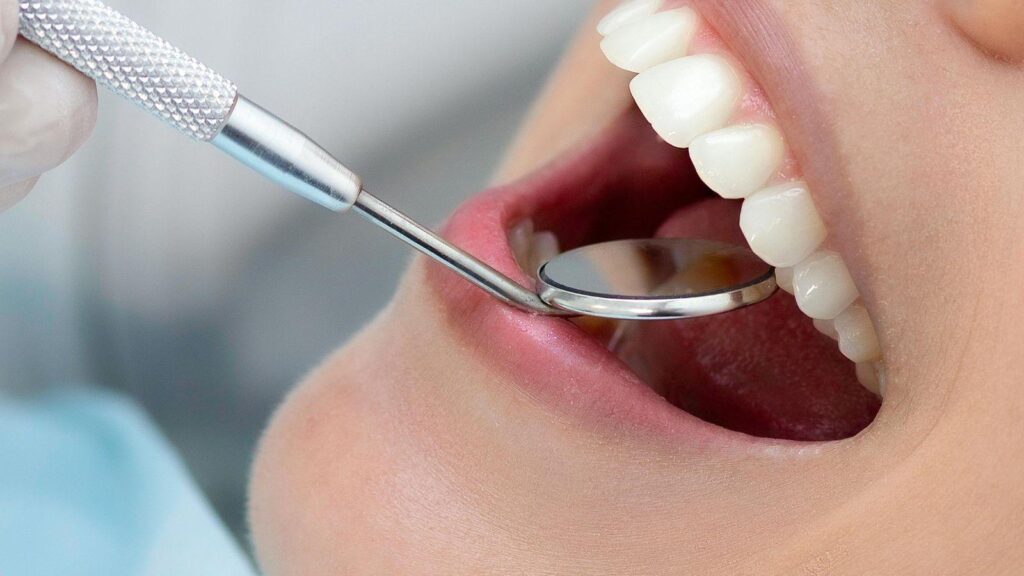
You don’t have to live with a smile that makes you hide or hold back. All on 4 dental implants in Plano, TX can often restore a full arch of teeth using just four implants, offering stability, improved chewing, and a natural look that many people regain confidence from.
If you’ve avoided photos, conversations, or eating in public, All-on-4 may be a practical, durable option that makes a visible, life-changing difference without requiring a separate implant for every missing tooth.
This article explains how tooth loss affects your emotions and daily life. It also covers who typically benefits most from All-on-4 solutions, what the treatment and recovery involve, and how to weigh costs, longevity, and provider choice so you can decide with clear facts and realistic expectations.
Understanding the Emotional Impact of Dental Insecurity
Dental insecurity can make you avoid photos, mute laughter, and plan social interactions around hiding your teeth. It affects how you present yourself and how you experience everyday moments.
How Self-Consciousness Affects Daily Life
You may change basic routines to avoid exposing your teeth: smiling with a closed mouth, using hand gestures to cover your mouth, or rehearsing neutral facial expressions before outings. These adjustments become automatic and drain mental energy, making small social acts feel effortful.
Eating and speaking in public can feel risky. You might choose soft foods, avoid foods that stain, or speak less to prevent attention to gaps or discoloration.
That leads to fewer spontaneous conversations and a narrowed daily experience. Small habits compound into avoidance patterns.
Over time, you lose opportunities for casual connection—laughing freely, kissing, or simply being photographed without anxiety. Those missed moments shape how you think about yourself and your social identity.
Social and Professional Ramifications
In social settings, you might decline group photos or back out of events to prevent exposure. That reduces your visibility and makes forming new friendships harder.
People often misread your withdrawal as aloofness rather than embarrassment. At work, you might avoid presentations, client-facing roles, or networking events because you expect judgment.
That limits promotions, leadership chances, and salary growth. Employers and colleagues seldom see the dental insecurity behind your reluctance, so it goes unaddressed.
First impressions matter in hiring and sales. A smile influences perceived trustworthiness and approachability.
If dental concerns make you hide your smile, you risk losing influence in meetings and missing career-advancing interactions.
The Mental Health Consequences of Hiding Your Smile
Constant concealment creates chronic stress and heightens self-criticism. You may replay social interactions, fixating on perceived flaws and imagining negative evaluations.
That pattern increases anxiety and reduces enjoyment in otherwise positive experiences. Prolonged insecurity can contribute to low mood and social withdrawal.
Research links oral health issues with reduced life satisfaction and higher rates of depression. When you avoid social contact, you remove emotional support that helps regulate mood.
Restorative options like All-on-4 implants can remove daily reminders of tooth loss. This allows you to re-engage socially and rebuild confidence through more frequent, unguarded smiles.
What Are All-on-4 Dental Implants?
All-on-4 replaces an entire upper or lower arch using four implants, a fixed prosthetic, and modern implant materials to restore chewing, speech, and appearance. The approach shortens treatment time, often avoids bone grafts, and uses specific implant angulation and prosthetic design for stability.
How All-on-4 Differs From Traditional Implants
All-on-4 uses four strategically placed implants to support a full-arch prosthesis instead of placing a separate implant for each missing tooth. Two implants are placed near the front of the jaw and two are tilted posteriorly to maximize bone contact and avoid vital structures like the sinus or nerve canals.
This design often eliminates the need for bone grafting that traditional multiple-implant plans might require. You typically leave surgery with a fixed temporary prosthesis the same day or within a few days.
Traditional full-arch restoration usually requires more implants, multiple surgeries, and longer healing before loading. Benefits you’ll notice include fewer surgical sites and lower overall cost compared with restoring each tooth individually.
There is a predictable timeline to functional teeth. Risks and limitations include implant failure, prosthetic wear, and the fact that maintenance and repairs focus on a single prosthetic arch rather than individual teeth.
An Overview of Treatment Steps
Initial consult: You get a clinical exam, CBCT scan, and impressions to evaluate bone, bite, and anatomy. The dentist or surgeon creates a treatment plan showing implant positions and prosthetic design.
Surgery day: Under local anesthesia ± sedation, the surgeon places four implants—two axial in front, two angled in back—for optimal bone use. Immediate provisional prosthesis is often attached the same day, letting you leave with fixed teeth.
Healing phase: Osseointegration takes 3–6 months. You follow a soft-food diet and return for follow-ups to monitor bone and soft tissue.
Final prosthesis: After healing, your final bridge or denture—made of acrylic, composite, or zirconia layered over a titanium framework—is fabricated and secured. Maintenance: Expect routine hygiene visits, occasional screw checks, and possible prosthetic repairs over time.
Materials and Technology Used
Implants: Manufacturers use titanium or titanium alloys for implants because of proven biocompatibility and strength. Surface treatments (e.g., roughening, plasma-spraying) enhance bone integration.
Prosthesis frameworks: Rigid frameworks use titanium or milled zirconia to resist fracture and provide precise fit. Overlying teeth may be acrylic (lighter, easier to adjust) or porcelain/zirconia (more durable, more esthetic).
Digital tools: CBCT imaging maps bone and nerve anatomy precisely. CAD/CAM planning and surgical guides improve implant placement accuracy and let labs mill prostheses to tight tolerances.
Adjuncts: Angled abutments and multi-unit connectors enable tilted implants to support a straight prosthetic emergence. Immediate loading protocols rely on adequate primary stability—measured by insertion torque or implant stability quotient (ISQ)—to reduce failure risk.
Who Benefits Most From All-on-4 Solutions?
All-on-4 often suits people who need full-arch replacement, want fewer surgeries, and prefer a fixed, stable prosthesis. You’ll find it especially helpful if you have extensive tooth loss, large failing restorations, or want to avoid bone grafting.
Ideal Candidates for the Procedure
You’re a strong candidate if you’re missing most or all teeth in one arch or both, or if remaining teeth are non-restorable due to decay, fracture, or periodontal disease. Patients who wear unstable dentures and want improved chewing force and speech stability often choose All-on-4.
Your jawbone should have enough density in the anterior region for four implants. The treatment uses tilted posterior implants to maximize existing bone and often avoids grafting.
You should be committed to oral hygiene and regular dental follow-ups, since long-term success depends on maintenance.
Addressing Age and Health Concerns
Age alone rarely disqualifies you. Many patients in their 60s, 70s, and beyond successfully receive All-on-4 implants provided they’re in reasonably good health.
Chronic conditions like controlled diabetes or hypertension do not automatically rule you out. Uncontrolled systemic disease, heavy smoking, or recent radiation to the jaw can increase risk.
Your surgeon will evaluate medical history, medications, and healing capacity, and may coordinate with your physician to optimize outcomes.
Suitability for Long-Term Dental Issues
If you’ve had repeated failures with bridges, crowns, or partial dentures, All-on-4 can stop the cycle by replacing the entire arch on a fixed prosthesis. It reduces the need for frequent repairs and relining associated with removable dentures.
Expect long-term improvement in bite force and quality of life when implants osseointegrate and the prosthesis is well-designed. You must maintain periodontal health around the implants; peri-implant disease can compromise results, so plan for lifelong hygiene and routine professional care.
Transformative Outcomes and Quality of Life Improvements
All-on-4 implants often restore a stable bite, natural-looking teeth, and comfort that traditional dentures rarely provide. Patients typically regain function for eating, clearer speech, and a more confident appearance.
Regaining Confidence in Your Appearance
You get a full-arch prosthesis engineered to match tooth shape, size, and shade to your facial proportions. That customization reduces gaps, unevenness, and the sunken look caused by missing teeth.
A fixed restoration means you no longer worry about denture slippage, adhesives, or visible movement when you speak or laugh. Many patients report increased willingness to attend social events, smile in photos, and speak up at work.
The prosthesis can also support facial tissues, subtly restoring jawline and cheek contours that influence perceived age.
Improved Chewing and Speaking Ability
All-on-4 anchors a full set of teeth on four implants placed to maximize bone support and load distribution. That stability lets you chew firmer foods like apples, steak, and raw vegetables more comfortably than with removable dentures.
Speech clarity improves because a fixed bridge stays consistent in your mouth. Consonants and sounds that denture movement interferes with — like “s,” “t,” and “f” — become easier to articulate.
You may need a short adjustment period to relearn certain sounds. Bite force with All-on-4 approaches that of natural teeth for daily eating needs, although extremely hard foods should still be avoided.
Regular follow-up ensures occlusion stays balanced and preserves implant and prosthesis longevity.
Promoting Oral Health and Comfort
All-on-4 reduces pressure points and sore spots common with traditional dentures. The load transfers through implants to the jawbone, minimizing soft-tissue trauma and chronic irritation.
Implants help preserve jawbone by stimulating bone where teeth used to be, which slows resorption that causes facial collapse over time. This preservation supports long-term prosthesis fit and facial structure.
Maintenance involves daily cleaning under and around the prosthesis and periodic dental checkups to monitor implants, peri-implant tissue health, and the prosthetic fit. With proper care, you can expect predictable comfort and fewer hygiene-related problems than with ill-fitting dentures.
Overcoming Fears and Common Myths
You can expect clear information about what causes anxiety and which implant myths are false. Practical steps and facts can help you decide with less fear and more confidence.
Addressing Anxiety About Dental Procedures
Dental anxiety often stems from past pain, fear of needles, or loss of control. Tell your dentist about specific triggers—sensitivity to noise, gag reflex, or worry about pain—so they can tailor comfort measures.
Ask about sedation options: nitrous oxide for mild nerves, oral sedatives for increased relaxation, and IV sedation for deeper anxiety. These methods reduce memory of the procedure and make long sessions manageable.
Request a step-by-step plan and timeline. Knowing when you’ll receive implants, what healing looks like, and how many visits are required reduces uncertainty.
Bring a support person to appointments when possible. Use progressive strategies at home: short pre-visit phone calls, virtual consults, and a trial visit to meet the team.
These small steps lower stress and improve cooperation during treatment.
Dispelling Misconceptions About Implants
You may have heard implants always fail, are unbearably painful, or are only for wealthy patients. None of these are universally true.
Modern implants have high long-term success rates when placed by qualified clinicians and maintained with routine care. Pain is typically controlled with local anesthesia and short courses of pain medication.
Most patients report discomfort similar to a tooth extraction, resolving in days rather than weeks. All-on-4 does not require bone grafting in many cases because posterior implants tilt to use existing bone.
That reduces surgery time and cost compared with graft-and-wait approaches. Costs vary; financing plans, phased treatment, and bundled All-on-4 packages can make treatment accessible.
Verify credentials, ask for before-and-after cases, and request a written estimate to compare options objectively.
The Road to a New Smile: Planning and Recovery
You will follow a clear path that starts with a focused evaluation and ends with phased healing and final prosthetics. Expect specific scans, a surgical plan tailored to your jaw, and a predictable recovery timeline with practical self-care steps.
Consultation and Personalized Treatment Planning
At your first visit, the team will take a CBCT scan and full-mouth photos to assess bone volume, sinus position, and nerve location. They will review your medical history and medications, as well as lifestyle factors like smoking that affect implant success.
A customized plan will specify whether immediate teeth (a provisional fixed bridge) are possible, the exact implant positions for the four posts, and any preparatory steps—such as extractions or limited grafting—if needed. You will receive a cost estimate, a timeline for each phase, and written pre-op instructions.
Ask for a 3D treatment preview and the expected materials for your final prosthesis (acrylic vs. zirconia), so you know durability and aesthetic differences before consenting.
Timeline and What to Expect Post-Surgery
Day 0–3: Expect swelling, mild-to-moderate soreness, and light bleeding. Your clinician will give pain meds, antibiotics if indicated, and a soft-food diet plan.
Week 1–2: Swelling and bruising subside; sutures may be removed. You’ll wear a provisional fixed bridge if placed immediately, which restores function but requires a soft diet.
Weeks 6–12: Soft-tissue healing continues and osseointegration (bone fusing to implants) begins. You should avoid heavy chewing on the new arch and attend scheduled checkups and radiographs.
3–6 months: Once bone integration is confirmed, your clinician will take final impressions for the definitive prosthesis—often stronger materials like zirconia—then schedule delivery and occlusal adjustments.
Tips for a Smooth Recovery
Follow medication and oral hygiene instructions precisely: rinse with prescribed antimicrobial mouthwash and gently brush around the surgical sites.
Use ice for the first 48 hours to control swelling, then switch to warm compresses if you get stiffness.
Stick to a soft diet (mashed potatoes, smoothies, well-cooked pasta) for at least two weeks or until your clinician clears you for firmer foods.
Avoid smoking and heavy alcohol—both delay healing and raise implant failure risk.
Attend all follow-ups and report unusual signs immediately: persistent severe pain, increasing swelling after 72 hours, fever, or loose implants.
Keep a list of emergency contact numbers and bring questions about final prosthesis material, maintenance, and warranty to your follow-up visits.
Costs, Longevity, and Value of All-on-4 Implants
All-on-4 involves a significant upfront cost, ongoing maintenance, and a high likelihood that the titanium implants will last decades.
You should weigh initial price, prosthetic material choices, and long-term service needs when deciding.
Understanding Financial Investment
Expect a per-arch price range typically between about $18,000 and $38,000 in 2026, depending on location, clinician experience, and included services.
That range usually covers surgery, four implants, and a fixed provisional prosthesis; a premium zirconia final arch or additional grafting raises the total.
Ask for an itemized estimate that lists diagnostics, bone grafts, anesthesia, provisional and final prosthesis, lab fees, and follow-up visits.
Financing, dental loans, or in-office plans often bridge the gap.
Confirm what warranties cover (implant body versus prosthetic teeth) and how complications or replacement prostheses are billed.
Comparing Alternatives
Compare All-on-4 to implant-supported individual crowns, All-on-6, and removable dentures.
All-on-4 typically costs less than placing 8–14 individual implants and then restoring each tooth with crowns.
It often costs more than a conventional full denture but provides superior function and bone preservation.
All-on-6 adds two implants, increasing stability and price by roughly $4,000–$8,000 per arch in many practices.
Removable overdentures can be cheaper short-term but require more frequent replacement and deliver less chewing efficiency.
Evaluate long-term cost-per-year and functional goals when comparing options.
Long-Term Maintenance and Durability
The titanium implant posts are designed to be permanent; with good oral hygiene and routine care, they commonly last 20 years or more.
The fixed prosthetic arch, especially if acrylic, typically needs replacement or refitting every 8–15 years; higher-end materials like monolithic zirconia last longer but cost more initially.
Plan semiannual or annual checkups, professional cleanings, and occasional screw or occlusion adjustments.
Maintain meticulous home care and avoid hard-impact habits.
Budget for potential prosthetic repairs, nighttime guards, and periodic relines so you won’t be surprised by future expenses.
Choosing the Right Dental Professional
Choosing the right clinician determines much of your All-on-4 outcome. You should look for a dentist or oral surgeon with specific implant experience and a strong track record with full-arch restorations.
Ask for case photos and long-term follow-up data. Numbers matter: published survival rates and documented complications give you a realistic expectation of risks and benefits.
Verify credentials and training. Board certification, continuing education in implantology, and fellowship or prosthodontic training indicate deeper expertise.
Read patient reviews, but weigh them against clinical evidence. Focus on consistent themes—communication, follow-up care, and how complications were handled.
Confirm that the provider uses 3D imaging and digital planning. Cone-beam CT and guided surgery reduce guesswork and help place implants in the best anatomical positions for longevity.
Discuss the entire treatment team and aftercare. You should know who will handle surgery, prosthetic design, and maintenance visits.
Multidisciplinary teams often produce better functional and aesthetic results. Compare warranties and maintenance plans.
Ask about prosthesis guarantees, emergency access, and costs for future repairs or revisions. Bring a list of questions to your consultation.
Sample topics: expected timeline, possible complications, sedation options, and what permanent prosthesis materials they recommend for your situation.