
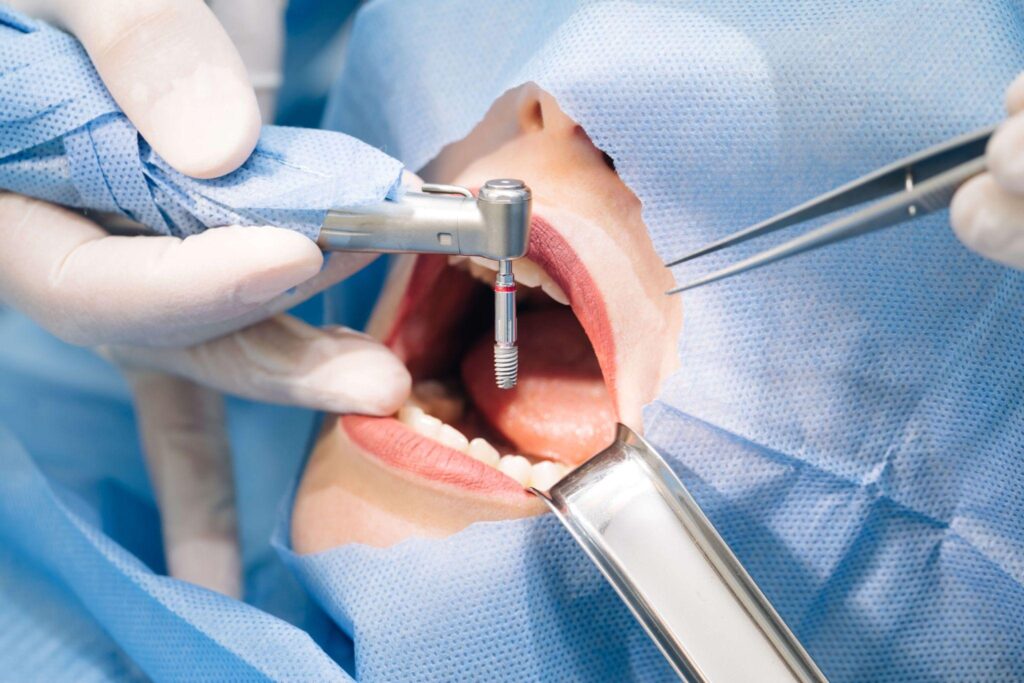
Missing teeth can really mess with how you chew and talk. Dental implants often bring back both function and confidence by replacing tooth roots and holding new teeth firmly in place.
If you struggle with slurred words or avoid certain foods because dentures slip or your bite feels weak, implants might just help. They often improve speech clarity and make chewing after dental implants a whole lot easier than you might expect.
You’ll find out how losing teeth changes your jaw support and tongue placement. I’ll get into how implants mimic real teeth to stabilize both chewing and speech, plus how they stack up against dentures and bridges.
You’ll also see practical outcomes and things to consider as you decide if implants fit your goals and lifestyle.
Physical Changes After Tooth Loss
Your mouth shifts in measurable ways after you lose teeth. Bone reshapes, teeth move, and even your tongue and lips find new places to rest.
When a tooth goes missing, the jawbone in that spot starts to resorb. Chewing no longer stimulates it, so it shrinks over time.
Bone loss reduces height and width, changing your facial support. It can also make future dental work more complicated.
Teeth next to the gap often drift into the empty space. That drift messes with your bite, creates uneven contact points, and puts extra stress on remaining teeth and joints.
You might notice teeth becoming loose or even fracturing where biting forces concentrate.
Common Speech Difficulties
Missing front teeth usually affect sounds like “s,” “z,” “f,” and “v.” These rely on your tongue or lips touching your teeth just right.
You might hear yourself lisp, whistle, or distort consonants, especially when talking quickly. It’s not always obvious, but back tooth loss can also alter airflow and clarity.
If your tongue shifts to compensate, you could develop new habits that stick around even after you get new teeth. Sometimes, you’ll need to retrain your speech.
Chewing Inefficiencies
Losing back teeth shrinks your chewing surface. You end up chewing with fewer teeth, which means more cycles per bite.
That can wear out your jaw muscles and cause uneven wear. Many people start chewing mostly on one side, which overloads certain teeth and joints.
Food choices often change too. You might skip tough or fibrous foods, which isn’t great for nutrition.
Implant-supported teeth restore stability and spread out your bite force, making chewing more efficient and comfortable.
How Implants Restore Oral Abilities
Dental implants replace missing roots with titanium posts anchored in bone. They support crowns or bridges and help rebuild the mechanics your mouth needs for clear speech and effective chewing.
Supporting Natural Speech
Implants bring back the stable tooth positions your tongue and lips need to form sounds. Lose a front tooth and suddenly “s,” “th,” and “f” sounds get tricky; an implant crown restores the contact points and height your tongue uses.
Because implants fix to the jawbone, they don’t shift like dentures do. That stability keeps you from hearing clicks, feeling slips, or dealing with sudden gaps that mess up airflow and pronunciation.
You might notice your voice sounds fuller. Replacing several teeth can restore the shape of your mouth and help control airflow, improving the clarity of vowels and consonants.
Enhancing Bite Force
An implant acts like a natural root, sending chewing forces right into the jawbone. That anchored feel lets you bite and grind with much more force than most removable options.
Studies show implant-supported teeth can restore a big chunk of your natural bite strength. You’ll probably be able to eat firm foods—apples, steak, whatever—without so much discomfort.
A stronger bite also means you’re less likely to over-chew on one side, which helps protect your remaining teeth.
When the implant and crown or bridge fit right, the pressure spreads evenly. That balance reduces the risk of failure and lets you keep eating a variety of foods.
Stabilizing Jaw Alignment
Missing teeth let neighbors drift and tilt, which throws off your bite and can strain your jaw joint. Implants hold the space and keep your bite’s original height and spacing.
By preserving vertical height and arch form, implants help your bite stay aligned. That predictability means your jaw moves smoothly when you chew or talk.
A stable bite reduces abnormal wear and eases muscle tension, which can help with jaw pain or clicking.
If you replace several teeth with implants, you bring back support in the back of your mouth. That keeps your bite from collapsing and helps preserve your facial shape and jaw relationships.
Comparing Dental Solutions for Speech and Chewing
You’ll see real differences in stability, bite force, upkeep, and how each option affects your speech. The right pick depends on how many teeth you’re missing, your jawbone’s condition, and how much daily effort you want to put in.
Dental Implants Versus Dentures
Implants anchor into your jaw with titanium posts, which keeps bone healthy and brings back near-normal bite force. Slipping and speech shifts drop way down compared to removable dentures, since implants act like real roots.
Removable dentures can cut chewing efficiency by 30–60% compared to natural teeth. They often need adhesives to stay put, and they might change how your tongue and lips move, causing lisps or odd consonant sounds until you adjust.
A few trade-offs to consider:
- Durability: Implants last years with routine care; dentures need relining and replacement more often.
- Maintenance: Implants clean like natural teeth; dentures need daily removal and soaking.
- Cost & surgery: Implants require surgery and higher upfront cost; dentures are less invasive and cheaper at first.
Benefits Over Bridges
Fixed bridges fill gaps using the teeth next door for support. They’re better for speech than removable options, but not as good as implants.
Bridges work well for short gaps but won’t stop bone loss at the extraction spot.
A few things to weigh:
- Tooth prep: Bridges need you to grind down healthy teeth, which can weaken them long-term.
- Bite strength: Bridges spread force across supporting teeth; implants send force to bone, which better keeps your jaw structure.
- Longevity & repairs: Bridges usually last 10–15 years; implants often last longer with fewer repairs.
If you’re after maximum speech stability and bone preservation, implants usually win out over bridges.
Patient Outcomes and Considerations
Expect a thorough evaluation before treatment and a predictable recovery. Most people adapt well and report high long-term satisfaction when implants are planned and cared for properly.
Outcomes depend on your bone health, oral habits, and how well you stick to follow-up care.
Suitability Assessment
Your dentist will check bone volume, gum health, and factors like diabetes or smoking that affect healing. They’ll use scans or X-rays to measure bone and look for gum disease or bite problems.
You’ll need enough bone thickness for implant stability, controlled chronic conditions, and good oral hygiene. If you’re short on bone, they might suggest grafting or special implants.
Make sure to talk about your goals for speech and chewing, especially if you’ve had prior surgeries.
Recovery and Adaptation
You’ll go through soft-tissue healing over a few weeks, and the implant fuses to bone in about 2–4 months for most spots.
During healing, you might use temporary teeth that can affect speech and chewing. Practice and small adjustments usually clear up any issues.
Plan on several visits for suture removal, trimming, and bite adjustments. Speech changes often improve as you get used to the final prosthesis.
Follow any dietary advice—start with soft foods and work your way up—so you can rebuild bite force without stressing the new implants.
Long-Term Satisfaction
If you keep up with hygiene and show up for regular dental check-ups, you’ll probably notice that chewing feels easier and your speech is more stable than with removable dentures. Honestly, that’s a big deal for a lot of people.
Research and clinical reports point out that folks usually feel more confident and functional when implants support a fixed or well-retained removable prosthesis.
Make sure you clean around your implants every day. Show up for professional visits every 6–12 months so your dentist can keep an eye on the tissues and how your bite is working.
You’ll need to handle some maintenance, like getting abutment screws checked and, sometimes, having the prosthesis relined. Taking care of small issues early helps keep everything working well—and keeps you happier with the results.