
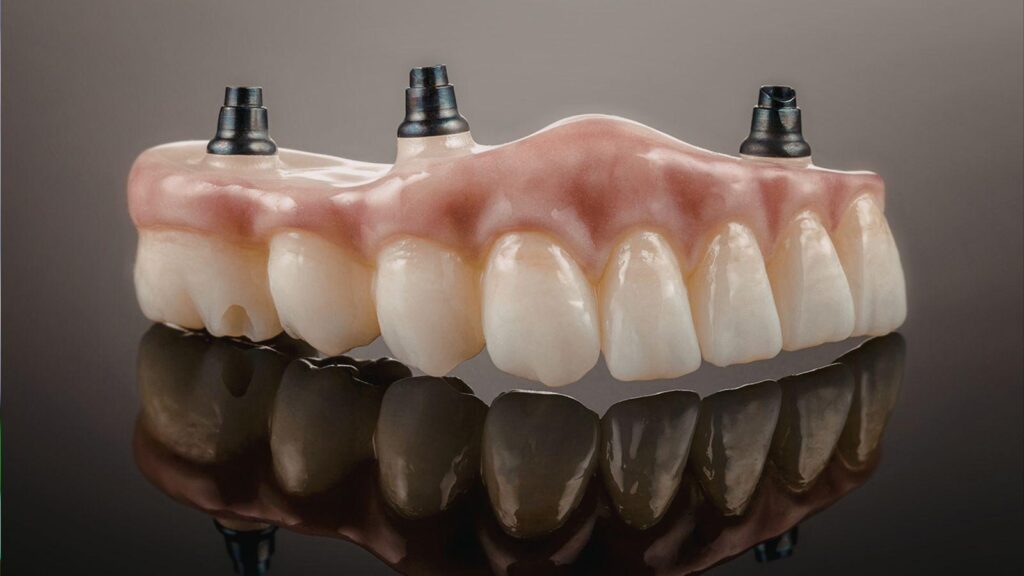
Choosing between endosteal and subperiosteal implants depends mainly on the condition of your jawbone: if you have sufficient, healthy bone, an endosteal implant usually offers better stability and bone preservation; if your jaw has significant bone loss and you want to avoid extensive grafting, a subperiosteal implant can be a practical alternative — both options are available from an experienced dentist in Anna, Texas.
You’ll learn how each implant sits in the jaw, who qualifies for which option, what the procedures and recoveries typically involve, and how long-term maintenance compares — so you can weigh stability, surgery complexity, and bone health against your personal priorities.
Start by assessing your jaw’s bone quality and your tolerance for additional surgery; the right choice balances predictable function with the least invasive path to restoring your smile.
Anatomy and Mechanism of Each Implant Type
You will learn how each implant is built, how it bonds to bone, and which materials clinicians choose for durability and biocompatibility. These differences determine surgical approach, healing time, and whether your jawbone needs augmentation.
Structural Differences Between Endosteal and Subperiosteal Implants
Endosteal implants sit directly in the jawbone as individual posts or screws. They resemble small cylinders, screws, or blades that are placed into drilled sites in the alveolar bone; each post supports a single crown, bridge, or overdenture attachment. This design requires adequate bone volume and density to hold the implant securely.
Subperiosteal implants rest on top of the jawbone beneath the gum but above the periosteum. They use a custom metal framework that follows the jaw’s contour and projects posts through the gum for prosthesis attachment. This option suits jaws with significant bone loss where standard endosteal placement is not feasible without grafting.
How Each Implant Integrates With Jawbone
Endosteal implants rely on osseointegration — a direct, stable bone-to-implant interface. Bone cells grow onto and around the implant surface over weeks to months, creating mechanical stability; success depends on implant surface texture, surgical technique, and your bone health. Proper load distribution after restoration helps maintain long-term bone stability.
Subperiosteal implants do not integrate into bone the same way. They obtain support by resting on the outer cortical surface and by soft-tissue adaptation of the overlying gum. Stability comes from the custom fit of the framework and the soft-tissue seal; because they lack full osseointegration, they may transmit forces differently and can require careful prosthetic design to minimize bone resorption.
Materials Used in Modern Implants
Titanium and titanium alloys dominate endosteal implant manufacture because of proven biocompatibility and strong osseointegration. Surfaces are often roughened or treated (e.g., acid-etched, plasma-sprayed) to increase surface area and accelerate bone attachment. Zirconia implants offer a metal-free alternative with good biocompatibility and favorable aesthetics for select cases.
Subperiosteal frameworks are typically made from titanium or cobalt-chromium. These metals resist corrosion and can be milled or 3D-printed to match jaw contours precisely. Prosthetic components—abutments and crowns—use materials like titanium, zirconia, or porcelain-fused-to-metal, chosen for strength, wear characteristics, and appearance relative to your needs.
Candidacy and Clinical Considerations
You need enough jawbone and good general health to qualify for most implant options. Specific medical conditions, smoking, and imaging findings will determine whether endosteal or subperiosteal implants suit your case.
Bone Density and Volume Requirements
Endosteal implants require sufficient alveolar bone height and width because the implant posts fuse with the jaw through osseointegration. If your jawbone measures at least the diameter and depth to accommodate the chosen implant (commonly 3.5–5 mm diameter and 8–13 mm length for standard posts), clinicians prefer endosteal implants for long-term stability.
If you have significant bone loss, thin ridges, or insufficient vertical height, subperiosteal implants may be considered. These sit on the bone under the gum and rely less on bone volume but still require a contoured, stable bony surface. You may also qualify for bone grafting or sinus lift procedures to increase bone volume and enable endosteal placement if that is clinically preferable.
Medical and Lifestyle Factors Affecting Suitability
Medical conditions that impair healing—uncontrolled diabetes, recent head and neck radiation, or immune suppression—raise the risk of implant failure. If you have these conditions, your dentist will weigh risks with your physician and may favor subperiosteal options only when endosteal placement and grafting pose excessive risk.
Lifestyle factors such as heavy smoking and poor oral hygiene also reduce osseointegration success rates. Smoking cessation and improved periodontal health are often required before implant surgery. Medications like bisphosphonates or anticoagulants alter treatment planning; disclose all prescriptions to your provider so they can adjust timing or choose an implant type accordingly.
Imaging and Diagnosis for Implant Selection
High-resolution imaging guides implant choice and placement planning. Cone-beam CT (CBCT) provides 3D views of bone height, width, and quality, enabling precise measurements for endosteal implants and identifying anatomical constraints such as the mandibular canal or maxillary sinus.
Panoramic X-rays offer a broader overview but lack the detail of CBCT for complex cases. For suspected bone atrophy, CBCT plus intraoral scans produce a digital model to design subperiosteal frameworks that fit the bone surface. Your clinician will also assess soft-tissue thickness and occlusal forces from bite analysis to choose implants that match your functional needs.
Procedure and Recovery Comparison
You will see clear differences in surgical approach, healing time, and daily aftercare between endosteal and subperiosteal implants. Each option affects bone preparation, incision size, and how long you will need to protect the site.
Surgical Steps for Each Implant Type
Endosteal: Your surgeon makes an incision in the gum, drills into the jawbone, and places one or more titanium posts directly into the bone. If needed, bone grafting typically occurs first or during the same appointment to build sufficient width or height. After placement, the gum is sutured; a healing abutment or cover screw is used depending on a one-stage or two-stage protocol.
Subperiosteal: Your clinician lifts the gum to expose the top of the jawbone and fits a custom metal framework that rests on the bone beneath the periosteum. The framework’s posts protrude through the gum for attachment of prosthetic teeth. This procedure often uses a custom impression or 3D scan to fabricate the frame before surgery.
Expected Healing Timeframes
Endosteal: Osseointegration usually requires 3–6 months for the implant to fuse securely with the bone. If you receive a graft, add 4–9 months depending on graft size and type. You may get a temporary restoration during healing; final crowns or bridges come after stable integration.
Subperiosteal: Healing of the soft tissue around the framework generally takes 4–8 weeks. Because the implant does not rely on bone integration, prosthetic loading can often occur sooner—typically within 6–12 weeks—provided soft tissues recover and there’s no infection. Complex cases or additional soft-tissue procedures extend recovery.
Aftercare and Postoperative Management
Pain and swelling: Expect moderate discomfort the first 48–72 hours; your clinician will prescribe analgesics and recommend cold packs. Follow dosage and activity restrictions closely for both types.
Oral hygiene: Keep sutures and surgical areas clean with gentle rinses (0.12% chlorhexidine or saltwater) twice daily until cleared. Avoid brushing directly on the incision for 1–2 weeks, then resume gentle brushing and use a soft brush.
Diet and activity: Stick to a soft diet for 1–2 weeks after endosteal placement; subperiosteal cases may allow earlier chewing but start with soft foods. Avoid heavy lifting and strenuous exercise for at least one week.
Follow-up schedule: Expect multiple visits—1 week for suture check, 4–8 weeks for tissue healing, and periodic imaging to confirm integration or framework position. Report persistent pain, swelling beyond 7 days, pus, or looseness immediately.
Care for restorations: Once prosthetics attach, maintain routine dental visits every 3–6 months initially, then as recommended. Use interdental brushes and consider professional cleanings to protect both implant types.
Long-Term Outcomes and Maintenance
You can expect predictable clinical performance with either implant type when selection and technique match your jaw anatomy and health. Maintenance needs and risk profiles differ mainly by bone support, surgical complexity, and how well you care for the implant.
Success Rates and Complication Risks
Endosteal implants typically show higher documented success rates when placed in adequate bone because they osseointegrate directly into the jaw. Success rates commonly exceed 90% in suitable candidates, but risks include infection (peri-implantitis), implant failure from poor osseointegration, and nerve or sinus injury in certain positions. Smoking, uncontrolled diabetes, and poor oral hygiene increase these risks.
Subperiosteal implants can be favorable when jawbone height or density is insufficient. Their complication profile emphasizes soft-tissue issues: gum recession, exposure of the metal framework, and higher infection or prosthesis loosening rates in some series. Bone resorption over time can also alter fit and stability. Your surgeon should evaluate imaging, medical history, and risk factors to choose the option with the lowest complication probability for your case.
Longevity and Maintenance Demands
Endosteal implants generally provide long-term stability when you maintain excellent oral hygiene and attend regular follow-ups. You should expect routine professional cleanings every 3–6 months initially, then at least biannual exams. If peri-implantitis develops, treatments range from non-surgical debridement to surgical regenerative procedures; early detection preserves longevity.
Subperiosteal implants may require more frequent adjustments and monitoring due to potential soft-tissue breakdown and framework exposure. You will likely need closer surveillance in the first two years and possibly more prosthetic relines or repairs as the underlying bone remodels. Both types demand meticulous daily plaque control, interdental cleaning, and avoidance of high-impact habits that could stress the restoration.
Patient Satisfaction and Quality of Life
You often report high satisfaction with endosteal implants because they feel and function similarly to natural teeth, restoring chewing efficiency and speech. Satisfaction correlates strongly with implant stability, esthetic outcome, and absence of complications. When treatment succeeds, most patients resume a normal diet and experience improved confidence.
Subperiosteal implants can substantially improve quality of life for patients who otherwise cannot receive endosteal implants without extensive grafting. Satisfaction depends on comfort, esthetics, and maintenance burden; some patients prefer avoiding bone graft surgery even if it means more frequent follow-ups. Your personal priorities—durability, invasiveness, cost, and willingness to commit to upkeep—will shape how satisfied you feel long term.