
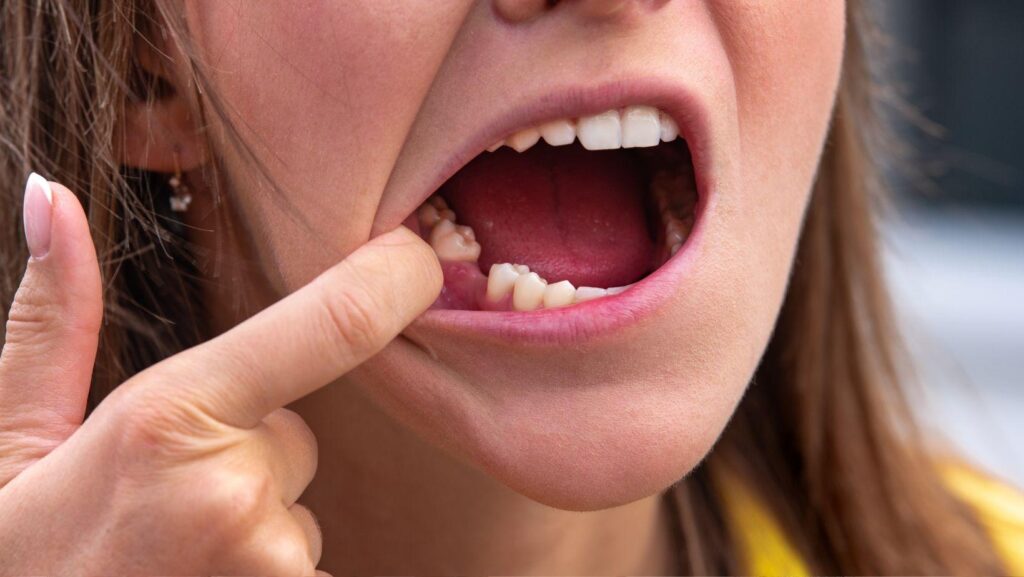
Most people can get a dental implant 8–12 weeks after a tooth extraction. Your exact timing depends on how well the socket heals, your bone quality, and whether you need a bone graft.
If your socket heals normally and you have enough healthy bone, you might qualify for an implant within two to three months. If not, you could need extra healing time or grafting that pushes things back—and for those missing multiple teeth, All-on-X dental implants offer a fuller restoration option worth discussing with your provider.
Healing Timeline After Tooth Extraction
You’ll go through a few predictable stages: first, clot formation and soft-tissue closure, then weeks to months of bone remodeling. These phases shape when an implant can go in and whether you’ll need a graft or to wait longer.
Immediate Post-Extraction Stages
The first 24–72 hours are all about forming a blood clot and stopping the bleeding. You’ll probably have some pain, swelling, and a bit of oozing—stick to bite pressure, cold packs, and whatever pain meds your dentist recommends to protect the clot.
By day 3–7, the gums start closing over the socket. Soft tissue grows in from the sides, which helps keep food out and lowers the chance of infection.
Keep up gentle oral hygiene and avoid things like suction, smoking, or harsh rinsing that could dislodge the clot. If pain gets worse after 48–72 hours, or you notice heavy bleeding, fever, or a bad taste, call your dentist—these could be signs of infection or dry socket.
Bone and Gum Tissue Recovery
Bone heals more slowly than gums. In the first 2–8 weeks, the socket fills with granulation tissue that slowly turns into new bone.
Between 3–6 months, this new bone gets stronger, and the ridge can shrink a bit. If you had a bone graft, it usually needs 3–4 months to heal, but bigger grafts or sinus lifts might take 6 months or more.
Gums often look healed by 4–8 weeks, but the bone underneath keeps changing. Dentists check both gum and bone before scheduling your implant.
Indicators of Sufficient Healing
Your dentist will look for stable, healthy gums with no swelling or infection and check X-rays for mature bone at the site. They’ll also check how the tissue responds to gentle pressure.
Imaging should show enough bone density and the right shape to support the implant. The bone needs to be thick and tall enough—otherwise, there’s a risk of hitting nerves or sinuses.
They’ll also consider your overall health—things like diabetes control, whether you’ve quit smoking, and if you have any infections. If everything looks good, your dentist will recommend immediate, early (4–8 weeks), or delayed (3–6+ months) implant placement, depending on your situation.
Evaluating Candidacy for Dental Implants
You’ll need enough jawbone, good control over any medical issues, and not too many risk factors from smoking or certain meds. Your dentist checks bone quality, your health history, and your lifestyle to figure out the best timing and whether you’ll need extra procedures.
Assessing Bone Health
Your jawbone has to be thick and strong enough to hold an implant and handle chewing. Dentists measure bone height and width using X-rays or CBCT scans and check how close nerves or sinuses are.
If your bone’s too thin or weak, they might suggest socket preservation, guided bone grafting, or a sinus lift. These add healing time—usually 3–6 months for the bone to stabilize before an implant can go in.
Smaller bone defects might allow for staged grafting and a delayed implant, but bigger problems sometimes need more than one surgery. Your implant plan will match what they find: immediate placement if everything looks good, or delayed if you need more bone.
Influence of Medical Conditions
Some health conditions affect healing and how well the implant fuses to bone. Your dentist will check for things like poorly controlled diabetes, which can slow healing and raise infection risk—so you’ll need a stable A1c and maybe a doctor’s OK.
Autoimmune diseases, past head-and-neck radiation, or untreated gum disease can also increase the chance of problems. If you take bisphosphonates or denosumab for osteoporosis, tell your dentist—these drugs can affect bone healing.
Your dentist and doctor might adjust your plan—maybe longer healing, special antibiotics, or other precautions—depending on your health and meds.
Role of Smoking and Medications
Smoking cuts blood flow and slows bone healing, which can make implants fail more often. If you smoke, quitting a few weeks before extraction and staying off during healing (ideally longer) really helps.
Certain meds also affect your risk. Long-term bisphosphonates or recent antiresorptive injections can raise the chance of bone problems, and steroids can slow healing. Your dentist will review all your meds and might ask for a doctor’s note, adjust your timeline, or suggest a different plan if needed.
Risks of Placing Implants Too Early or Too Late
Getting the timing wrong can mess with healing and stability. If you go too soon, or wait too long, different problems can pop up.
Complications of Early Implant Placement
If you place an implant too early—just days or weeks after extraction—there’s a higher risk it won’t be stable or could get infected. The socket might still have bacteria or loose bone that can block the implant from fusing properly.
The bone’s still soft and changing, so the implant might not “take.” Gums may not close tightly, which can expose the implant and let bacteria in.
Immediate placement sometimes works if the bone is solid and there’s no infection, but it takes careful technique and close follow-up. Your dentist might need to do extra procedures if the implant isn’t stable enough.
Challenges with Delayed Implant Placement
Waiting too long—months or even years—lets the bone shrink away, making it harder to place an implant later. You might need bone grafts, sinus lifts, or other surgeries to rebuild the area.
This adds to the time, cost, and complexity. The gum can also shrink or scar, making it tough to get a natural look and a tight seal around the implant.
If infection sets in or the tooth above or below moves into the gap, you might need extra treatment—like antibiotics, orthodontics, or more reconstruction. Your dentist will check bone volume, tissue health, and infection risk to help you avoid these headaches.
Treatment Planning and Next Steps
You’ll get a timeline tailored to your imaging, oral health, and whether you need grafting. Expect a step-by-step plan and a schedule that lines up healing with implant placement.
Consultation and Diagnostic Procedures
At your consult, the dentist goes over your medical history, meds, and any habits (like smoking) that affect healing. They’ll check the extraction site and nearby teeth for gum health or signs of infection.
You’ll probably get a periapical X-ray, and a CBCT scan if they need to measure bone or check nerve position. These images help the team pick the right size and angle for your implant.
Your plan will spell out the timing: immediate (same day), early (4–8 weeks), or delayed (3–6+ months). The choice depends on how the socket looks, if there’s infection, and whether you need grafts or sinus work.
They’ll also talk through anesthesia options, how you’ll replace the tooth during healing, costs, and get your consent before starting anything.
Bone Grafting Considerations
If you’ve got a socket with significant bone loss or a thin buccal plate, your clinician will probably recommend grafting. That’s the best way to get stable support for the implant.
There are a few types of graft materials: autograft (your own bone), allograft (donor bone), xenograft (usually bovine), or synthetic options. Each one comes with its own healing timeline and, let’s be honest, a different price tag.
Sometimes they do the graft right at the time of extraction, which is called socket preservation. Other times, especially if there’s infection or the tissue isn’t great, they’ll wait and graft later.
Socket preservation usually involves a bone substitute and a membrane. The main goal here is to keep the ridge from shrinking too much, so you can get an implant in about 8–12 weeks, sometimes longer.
If you need a bigger graft or a sinus lift, you’re looking at a longer healing window—often 4–6 months before they’ll place the implant.
Your plan should spell out the graft type, expected healing time (in weeks or months), and when you’ll need follow-up visits. Watch out for complications like ongoing pain, swelling, or drainage, and be sure to report those.