
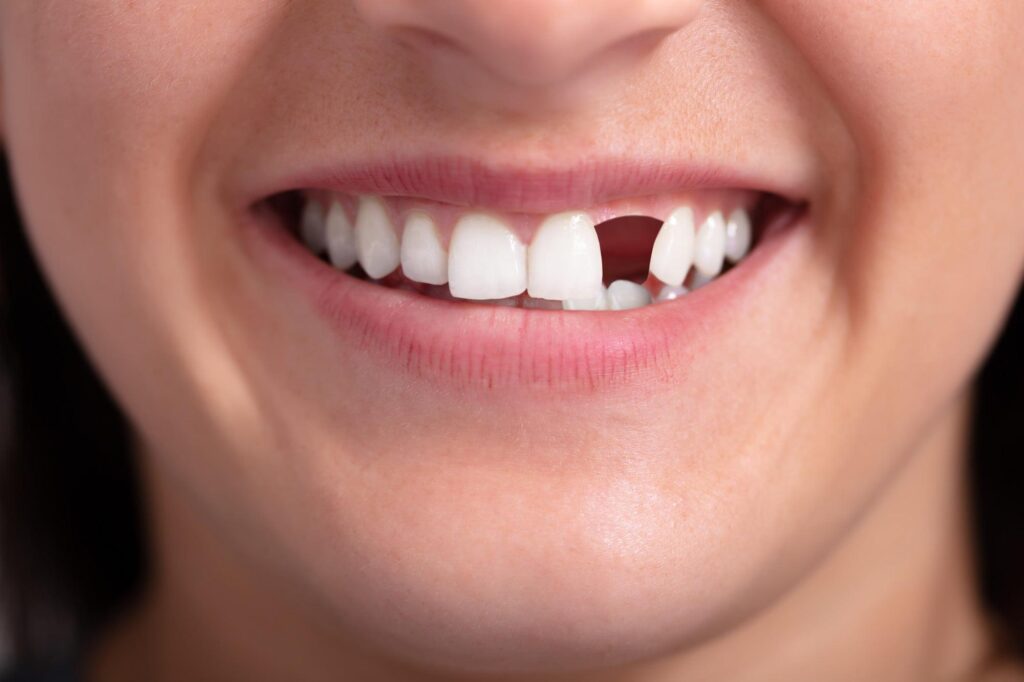
Losing a tooth can start a chain reaction. Surrounding teeth drift into the empty space, opposing teeth might over-erupt, and your bite alignment slowly changes.
These shifts can alter how your upper and lower teeth meet. Chewing efficiency, tooth wear, and jaw stability all take a hit.
You’ll see how drifting teeth change alignment and what bite problems can crop up. Ignoring a gap can lead to bigger oral-health headaches down the road—and addressing it early with a single tooth implant in Delray Beach is one of the most effective ways to stop that chain reaction before it gets out of hand.
Dental Alignment Changes
You might notice nearby teeth start to lean. Teeth from the opposite jaw can move into the empty space, and new gaps or crowding show up.
These shifts change how your teeth contact each other. Your bite starts to distribute force differently.
Tilting and Drifting of Neighboring Teeth
When you lose a tooth, the ones beside it lose the support that kept them upright. Those teeth usually tilt toward the empty space and slowly drift into the gap, sometimes over months or even years.
How fast teeth move depends on your age, bite forces, and how much contact the remaining teeth have. Tilted or drifted teeth create uneven contacts, so chewing forces get dumped onto fewer teeth.
That can ramp up wear, cause sensitivity, and make cleaning a pain. Suddenly, flossing between certain teeth gets tricky, or you find new food traps.
Impact on Opposing Teeth
Teeth in the opposite arch often move into an unopposed space by erupting further than normal. Dentists call this over-eruption.
Over-erupted teeth can hit the gum or soft tissue, which gets sore and throws off your chewing. This vertical movement also messes with your bite height and jaw position.
You could get premature contacts where one tooth hits before the others, which stresses your jaw joint and muscles. A dentist can check for these changes and might suggest an occlusal adjustment, a crown, or replacement options to get things back on track.
Development of Gaps and Spaces
Gaps form when teeth shift unevenly, creating spaces that weren’t there before. These spaces don’t just look odd—they trap food and raise your risk of gum problems and cavities.
Shifts can also cause crowding in nearby areas as teeth try to fill the missing spot. Once teeth start drifting, orthodontic treatment gets a lot trickier.
If you act within a few months of tooth loss, you have more options. Space maintenance, a bridge, implants, or orthodontics can help restore alignment and protect the teeth you have left.
Bite Problems and Functional Impairments
Tooth loss changes how your teeth meet. Chewing gets less efficient, and your jaw muscles work overtime.
These changes sneak up slowly, but they can turn into real problems for bite alignment and jaw comfort.
Malocclusion and Uneven Bite
When a tooth goes missing, neighboring teeth usually tilt or drift into the gap. That creates new contact points and throws your bite out of whack.
You might notice one side hits before the other, or certain teeth don’t meet at all. Those uneven contacts dump force onto fewer teeth, which means more wear, chipping, and even loose teeth.
Missing back teeth often lead to a collapsed bite or a shorter vertical dimension. That changes how your jaws fit together and might need orthodontic or restorative treatment to fix.
Dentists check your bite with articulating paper and bite records. They use this info to plan the next steps.
Effects on Chewing Efficiency
Shifts in tooth position cut down the number of good chewing surfaces. You might find yourself chewing longer or favoring one side.
That makes it harder to break down food, especially tough stuff like steak or raw veggies. Foods that used to be easy can suddenly feel like a chore.
Losing back teeth really messes with molar function. The front teeth end up doing more work than they should.
Restorations—bridges, implants, or removable prostheses—help restore chewing surfaces and spread out the forces again.
Jaw Pain and Muscle Strain
A changed bite throws off how your jaw moves and can strain the muscles that open and close your mouth. You might feel soreness in your jaw muscles or even your neck after chewing or when you wake up.
Over time, you could get headaches or clicking in your jaw joint. If you start grinding or clenching, it only makes tooth wear and muscle pain worse.
To manage this, dentists might adjust your bite, fit you for prosthetics, recommend a bite guard, or suggest physical therapy to ease muscle tension.
Long-Term Oral Health Consequences
Leaving a gap untreated leads to jaw and tissue changes that only get worse with time. These changes hit your chewing, tooth stability, and the health of nearby teeth.
Progressive Bone Loss
When you lose a tooth, the jawbone underneath misses out on normal chewing forces. Bone remodeling slows down, and resorption kicks in within months.
The ridge height and width shrink, especially in the first year. Less bone changes how the remaining teeth sit in your mouth.
Adjacent teeth can tilt or move into the space, and opposing teeth might over-erupt. That creates bite imbalances, upping the risk of wear and fractures.
If you want implants later, bone loss can mean you’ll need grafting to rebuild the area. Dentists track bone changes with dental X-rays.
Replacing missing teeth early with implants or bridges helps preserve bone. It also keeps your bite stable and your jaw healthier in the long run.
Gum Recession and Tooth Sensitivity
When teeth start shifting, the roots move beneath the gumline in new directions. This movement can stretch or thin the gum tissue above them.
You might spot your gums pulling back from neighboring teeth. Suddenly, roots that used to be hidden are out in the open.
Exposed roots don’t have enamel, so they’re much more vulnerable to decay and fast wear. You’ll probably notice more sensitivity—cold, heat, sweets, or even brushing can make you wince.
Receding gums also form deeper pockets where plaque likes to hide. That means a higher risk of infection and more tissue loss, which is honestly pretty frustrating.
Dentists can use desensitizing agents, composite bonding, or veneers to help. Sometimes, they’ll recommend gum grafts to rebuild what’s lost.
If the tooth position keeps causing trouble, orthodontics or prosthetic replacements might be the real solution. It’s not always simple, but tackling the root cause usually helps with both the recession and the sensitivity.