Physical Health

What Disqualifies Someone From Getting Dental Implants? Common Eligibility Factors — Clear Criteria, Risks, and Solutions

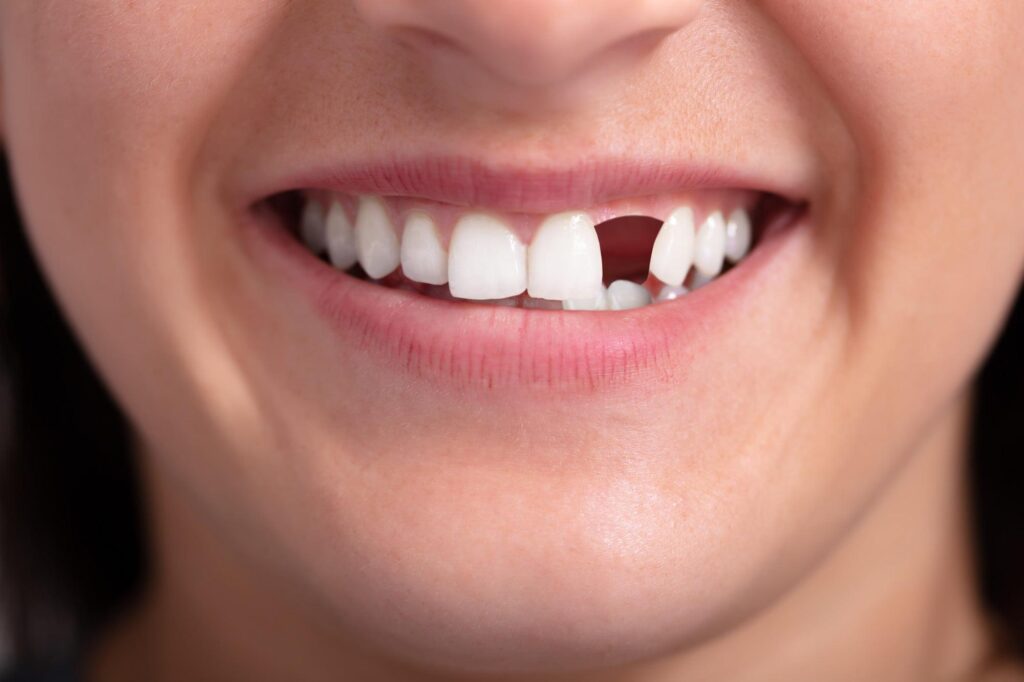
You may expect dental implants to work for most people, but several specific health, anatomical, and lifestyle factors can disqualify you or require treatment before you qualify. Uncontrolled medical conditions, active gum disease, insufficient jawbone, heavy smoking, and certain medications are the main reasons you might not be eligible right away. This article breaks down […]

What Disqualifies Someone From Getting Dental Implants? Common Eligibility Factors — Clear Criteria, Risks, and Solutions Read More »

Worn-Out Dentures After Years of Use: Signs It’s Time for a Replacement — Key Symptoms, Risks, and Next Steps

You rely on your dentures every day, so subtle changes can slip by until they become painful or embarrassing. If your dentures feel loose, cause persistent soreness, make chewing difficult, or show visible wear after several years, those are clear signs it’s time to consult a provider like Revive Dentures and Implants about a reline, repair,

Worn-Out Dentures After Years of Use: Signs It’s Time for a Replacement — Key Symptoms, Risks, and Next Steps Read More »

Teeth Grinding and Morning Jaw Pain: Effective Remedies, Causes, and When to Seek Help

Waking up with a sore jaw or a morning headache can make the whole day feel off. If you grind or clench your teeth at night, using a custom-fitted night guard and addressing stress or sleep issues usually gives the fastest, most reliable relief while protecting your teeth. You’ll learn what drives jaw pain—bruxism, TMJ

Teeth Grinding and Morning Jaw Pain: Effective Remedies, Causes, and When to Seek Help Read More »

dental implant bone requirements, bone needed for implants, dental implant preparation, implant site bone measurement, implant surgery bone assessment, dental bone graft needs, implant success bone factors, immediate implant bone needs, location-specific dental implants, implant planning bone measurement

How Much Bone Is Needed for Dental Implants? Essential Measurements and Preparation Steps

If you’re thinking about a single tooth dental implant, here’s the practical answer: you’ll usually need about 6–8 mm of jawbone height and 8 mm of width, and the bone has to be dense enough so the implant can stay put and fuse securely. These numbers give you a solid place to start when talking

How Much Bone Is Needed for Dental Implants? Essential Measurements and Preparation Steps Read More »

oral conscious sedation, iv sedation implant surgery, sedation dentistry benefits, implant surgery sedation options, dental sedation safety, patient experience sedation, implant sedation comparison, sedation dentistry cost, oral vs iv sedation, implant procedure sedation

Oral Conscious Sedation vs IV Sedation for Implant Surgery: Clear Comparison of Safety, Efficacy, and Patient Experience

Facing implant surgery can feel overwhelming. You don’t have to let anxiety decide how you proceed. Oral conscious sedation gives you a calmer, easier option for routine implant procedures. IV sedation offers faster, deeper control for longer or more complex cases—your choice depends on procedure complexity, medical history, and how much control your clinician needs.

Oral Conscious Sedation vs IV Sedation for Implant Surgery: Clear Comparison of Safety, Efficacy, and Patient Experience Read More »

dental implant sleep sedation, dental implant surgery sedation options, dental sedation types, safe sedation dental implants, sleep during dental implants, sedation dentistry benefits, implant surgery anesthesia, sedation options dental clinic, dental implant procedure comfort, sedation dentistry safety

Can You Sleep During Dental Implant Surgery? Sedation Options Explained — Types, Safety, and What to Expect

You can sometimes be fully asleep for dental implant surgery, but most of the time, dentists use local anesthesia or lighter sedation. This way, you keep breathing on your own and bounce back faster. If you really want to be unconscious, general anesthesia is an option, especially for full-arch cases, extreme anxiety, or complicated medical

Can You Sleep During Dental Implant Surgery? Sedation Options Explained — Types, Safety, and What to Expect Read More »

tooth extraction implant timing, dental implant healing stages, implant placement after extraction, post extraction implant timeline, dental implant recovery period, implant surgery after tooth removal, dental implant practical guidance, delayed implant placement, early vs delayed implant timing, best time for dental implant

How Long After Tooth Extraction Should You Get a Dental Implant? Timing, Healing Stages, and Practical Guidance

Most people can get a dental implant 8–12 weeks after a tooth extraction. Your exact timing depends on how well the socket heals, your bone quality, and whether you need a bone graft. If your socket heals normally and you have enough healthy bone, you might qualify for an implant within two to three months.

How Long After Tooth Extraction Should You Get a Dental Implant? Timing, Healing Stages, and Practical Guidance Read More »

dental implants, improve speech chewing, benefits of dental implants, dental implant advantages, dental implant treatment, oral health implants, implant dentist near me, dental restoration solutions, enhance confidence teeth, smile improvement dentistry

Can Dental Implants Help Improve Speech and Chewing? Clear Benefits for Function and Confidence

Missing teeth can really mess with how you chew and talk. Dental implants often bring back both function and confidence by replacing tooth roots and holding new teeth firmly in place. If you struggle with slurred words or avoid certain foods because dentures slip or your bite feels weak, implants might just help. They often

Can Dental Implants Help Improve Speech and Chewing? Clear Benefits for Function and Confidence Read More »

teeth shifting after loss, bite misalignment effects, chewing difficulty post tooth loss, speech problems teeth shift, tooth replacement options, dental implant benefits, bridge vs implant, orthodontic treatment after tooth loss, jaw alignment issues, tooth loss treatment options

What Happens to Your Bite When Teeth Shift After Tooth Loss: Effects on Chewing, Speech, and Treatment Options

Losing a tooth can start a chain reaction. Surrounding teeth drift into the empty space, opposing teeth might over-erupt, and your bite alignment slowly changes. These shifts can alter how your upper and lower teeth meet. Chewing efficiency, tooth wear, and jaw stability all take a hit. You’ll see how drifting teeth change alignment and

What Happens to Your Bite When Teeth Shift After Tooth Loss: Effects on Chewing, Speech, and Treatment Options Read More »

upper jaw implants, lower jaw implants, dental implant differences, jawbone density implants, maxillary implants, mandibular implants, implant placement anatomy, jawbone health implants, implant biomechanics, upper vs lower jaw dentures

Why the Upper Jaw Needs More Implants Than the Lower Jaw: Anatomical, Bone Density, and Biomechanical Reasons

You probably notice differences when you chew or talk, and those everyday forces shape how dental implants in Evansville IN work. The upper jaw has softer bone, closer proximity to the sinus cavity, and different bite dynamics than the lower jaw, so it often requires more implants or additional procedures to achieve the same stability

Why the Upper Jaw Needs More Implants Than the Lower Jaw: Anatomical, Bone Density, and Biomechanical Reasons Read More »

Scroll to Top